
The Benefits of Venoactive Drugs: How They Improve Vein Function and Support Healthy Circulation
Healthy circulation is essential for overall wellness, and your veins play a critical role in keeping blood moving efficiently throughout the body. When vein function becomes compromised—especially in the legs—patients may begin to experience symptoms such as swelling, heaviness, aching, and visible varicose veins. While many people associate vein treatment with procedures, medications known as venoactive drugs can provide meaningful symptom relief and support better vascular function.
This comprehensive guide explains what venoactive drugs are, how they work, their key benefits, and how they fit into a complete vein care plan.
What Are Venoactive Drugs?
Venoactive drugs are a class of medications and supplements designed to improve the function of veins, reduce inflammation, and support healthy blood flow. They are commonly used in the management of conditions such as Chronic Venous Insufficiency, varicose veins, and venous-related leg discomfort.
Some of the most widely used venoactive compounds include:
- Diosmin
- Hesperidin
- Horse Chestnut Extract
These substances are often derived from natural plant sources, particularly flavonoids, which are known for their anti-inflammatory and vascular-protective properties. Venoactive drugs are widely used in Europe and are increasingly recognized in the United States as part of a supportive approach to vein health.
Understanding Vein Dysfunction
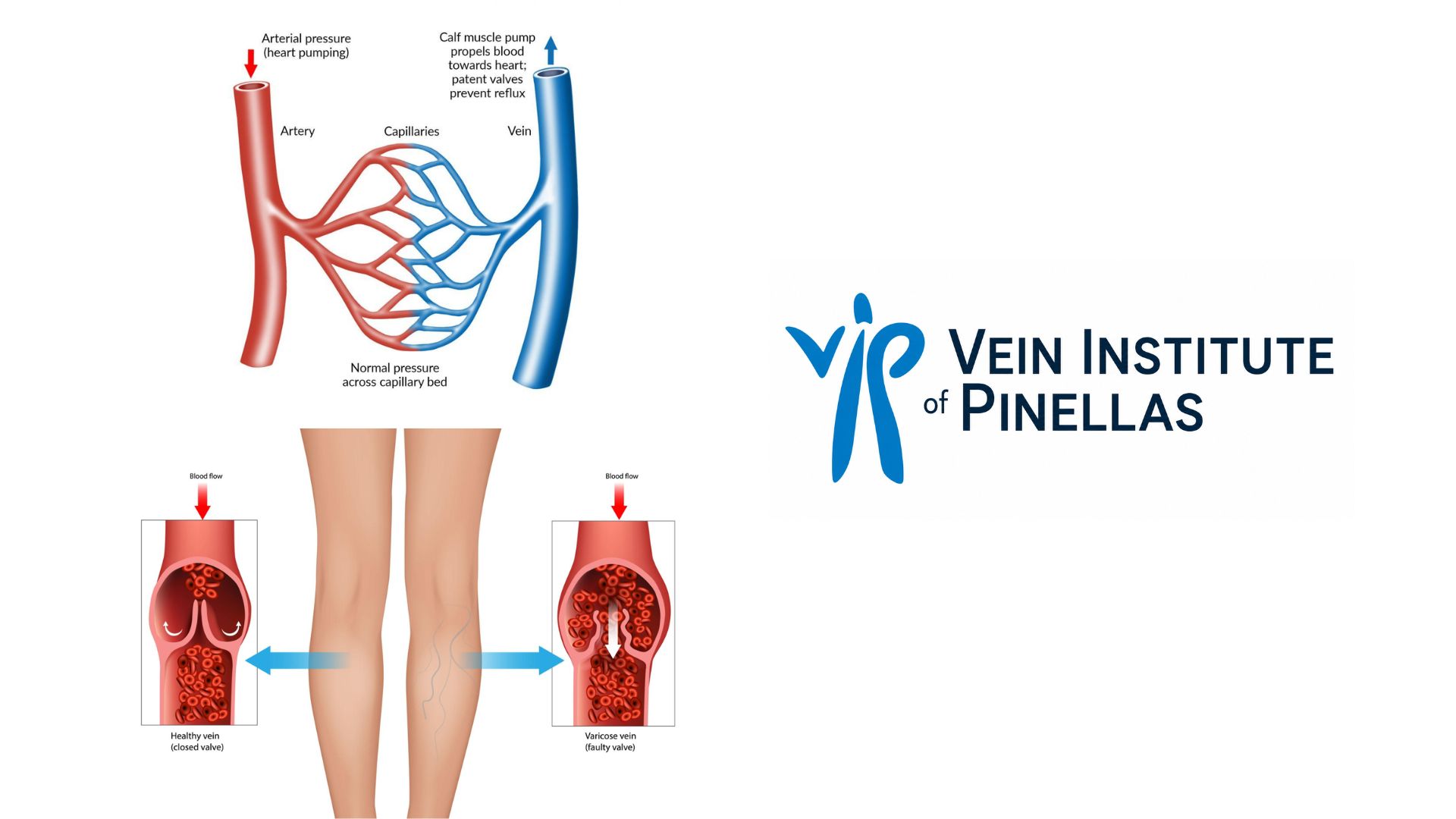
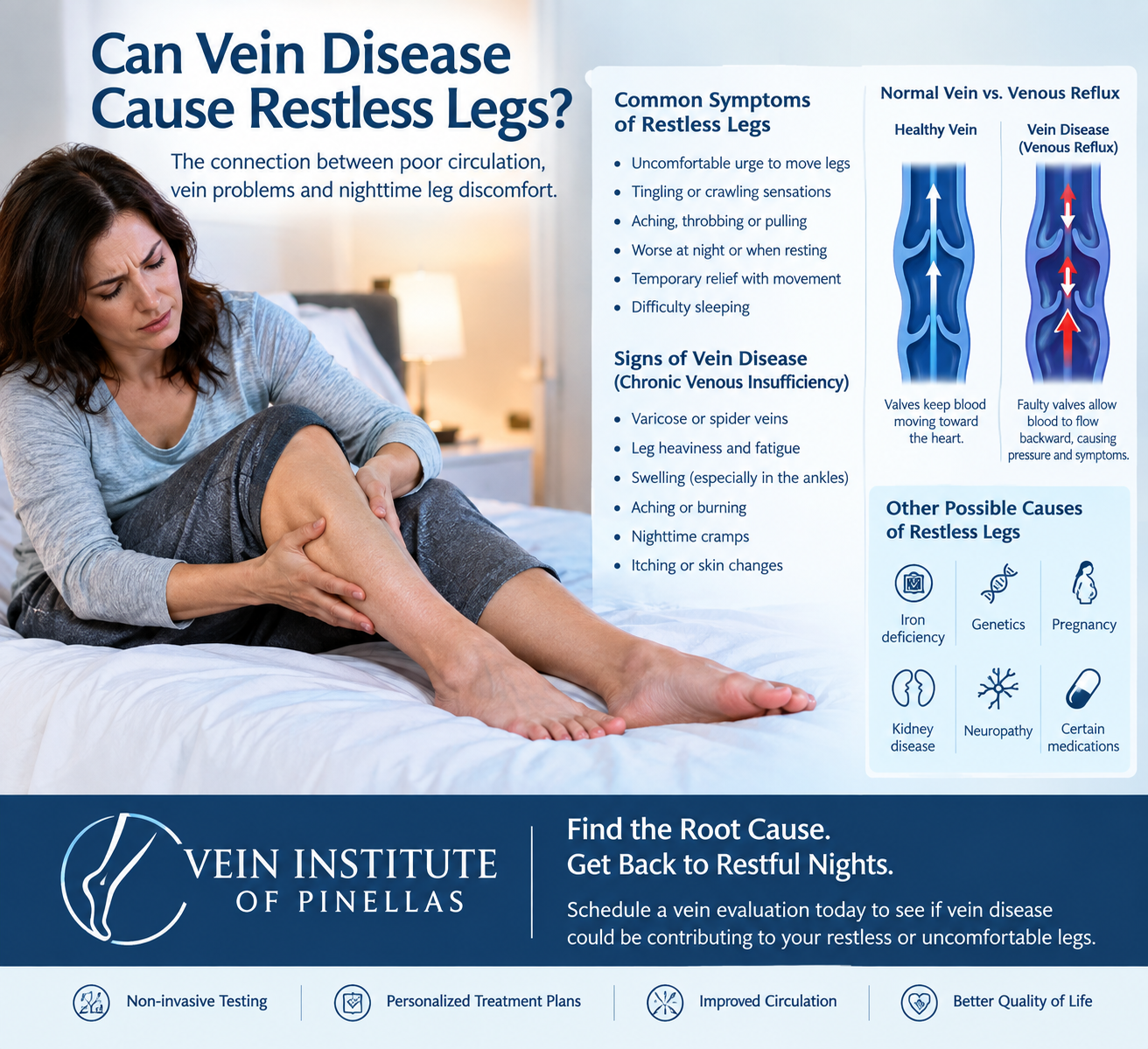
To appreciate the role of venoactive drugs, it’s important to understand how vein problems develop. In healthy veins, one-way valves help move blood upward toward the heart. These valves prevent blood from flowing backward, especially in the legs where gravity works against circulation.
When these valves weaken or become damaged, blood can begin to pool in the veins. This condition is known as Chronic Venous Insufficiency. Over time, increased pressure in the veins leads to symptoms such as:
- Swelling in the legs and ankles
- A feeling of heaviness or fatigue
- Aching or throbbing pain
- Skin changes or discoloration
- Development of varicose veins
Without proper management, vein disease can progress and significantly impact quality of life.
How Venoactive Drugs Work
Venoactive drugs work through multiple mechanisms that target the underlying contributors to vein dysfunction. Rather than focusing on a single pathway, they provide a broad range of support to the vascular system.
Improving Vein Tone
One of the primary actions of venoactive drugs is improving the tone and elasticity of vein walls. Stronger veins are better able to push blood upward, reducing the likelihood of pooling and improving overall circulation.
Reducing Inflammation
Inflammation plays a key role in the progression of vein disease. Venoactive drugs help reduce inflammatory responses within the veins, which can protect the vessel walls and slow disease progression.
Decreasing Capillary Permeability
Leaky capillaries allow fluid to escape into surrounding tissues, leading to swelling. Venoactive drugs help stabilize these small blood vessels, reducing fluid leakage and minimizing edema.
Enhancing Lymphatic Drainage
The lymphatic system helps remove excess fluid from tissues. Venoactive drugs support lymphatic function, allowing the body to better manage fluid balance and reduce swelling.
Key Benefits of Venoactive Drugs
1. Reduction in Leg Swelling
Swelling, also known as edema, is one of the most common symptoms of vein disease. Venoactive drugs help reduce swelling by strengthening blood vessels and limiting fluid leakage into surrounding tissues. Patients often notice decreased ankle and leg swelling, especially after long periods of standing or sitting.
2. Relief from Pain and Discomfort
Many individuals with vein disease experience aching, burning, or throbbing sensations in their legs. By improving circulation and reducing inflammation, venoactive drugs can significantly alleviate these symptoms, making daily activities more comfortable.
3. Improvement in Circulation
Proper blood flow is essential for delivering oxygen and nutrients to tissues. Venoactive drugs enhance venous return—the process of blood flowing back to the heart—thereby improving overall circulation and reducing stagnation in the legs.
4. Support for Chronic Venous Insufficiency
For patients with Chronic Venous Insufficiency, venoactive drugs provide ongoing support by managing symptoms and slowing progression. While they do not correct structural vein damage, they can make the condition more manageable and improve quality of life.
5. Enhanced Recovery After Procedures
Patients undergoing vein treatments such as ablation or sclerotherapy may benefit from venoactive drugs as part of their recovery plan. These medications can reduce post-procedure swelling and discomfort, supporting faster healing and better outcomes.
6. Reduction in Nighttime Symptoms
Vein disease often causes symptoms that worsen at night, including leg cramps and restlessness. Improved circulation from venoactive drugs can help reduce these nighttime disturbances, leading to better sleep quality.
7. Protection of Skin and Tissue Health
Advanced vein disease can lead to skin changes, including discoloration, thickening, and even ulcers. By improving blood flow and reducing inflammation, venoactive drugs help protect the skin and support healing in affected areas.

Who Can Benefit from Venoactive Drugs?
Venoactive drugs may be recommended for individuals who:
- Experience frequent leg swelling or heaviness
- Have early-stage or moderate vein disease
- Spend long hours standing or sitting
- Are not ready for or do not require procedures
- Want to support long-term vascular health
They are particularly beneficial for patients looking for non-invasive options to manage symptoms and improve comfort.
Are Venoactive Drugs a Cure?
It is important to understand that venoactive drugs are not a cure for vein disease. They do not repair damaged valves or eliminate varicose veins. Instead, they focus on symptom management and functional improvement.
For patients with significant structural vein issues, minimally invasive procedures may be necessary to address the root cause. However, venoactive drugs can still play an important role as part of a comprehensive treatment plan.
Combining Venoactive Drugs with Other Treatments
The most effective approach to vein health often involves a combination of therapies. Venoactive drugs work best when used alongside:
Compression Therapy
Compression stockings apply gentle pressure to the legs, helping veins move blood more efficiently. This enhances the effects of venoactive drugs and provides additional symptom relief.
Lifestyle Modifications
Simple lifestyle changes can have a significant impact on vein health, including:
- Regular physical activity such as walking
- Maintaining a healthy weight
- Elevating the legs when resting
- Avoiding prolonged periods of sitting or standing
Medical Procedures
When necessary, procedures such as endovenous ablation or sclerotherapy can correct underlying vein problems. Venoactive drugs can then support recovery and maintain results.
Safety and Considerations
Venoactive drugs are generally well tolerated, especially those derived from natural sources. However, patients should always consult a healthcare provider before starting any new medication or supplement.
Important considerations include:
- Potential interactions with other medications
- Individual response to treatment
- Appropriate dosage and duration of use
A healthcare provider can help determine the best option based on your specific condition and health history.

The Importance of Early Intervention
Early management of vein symptoms can prevent progression and reduce the risk of complications. Ignoring symptoms such as swelling, pain, or visible veins can lead to more advanced disease over time.
By incorporating venoactive drugs early in the treatment process, patients may:
- Improve daily comfort
- Slow disease progression
- Maintain better overall vascular health
When to See a Vein Specialist
If you are experiencing persistent symptoms such as leg swelling, pain, or visible veins, it is important to seek professional evaluation. A vein specialist can assess your condition and recommend a personalized treatment plan that may include venoactive drugs, lifestyle changes, or procedures.
Conclusion
Venoactive drugs offer a valuable, non-invasive option for improving vein function and supporting healthy circulation. While they are not a cure, their ability to reduce swelling, relieve discomfort, and enhance blood flow makes them an important part of modern vein care.
When used as part of a comprehensive treatment plan, venoactive drugs can significantly improve quality of life for patients dealing with vein-related conditions. Whether you are in the early stages of vein disease or looking for additional support after treatment, these medications can help you take a proactive approach to your vascular health.
Take the Next Step
If you are experiencing symptoms of vein disease, don’t wait. Early evaluation and treatment can make a significant difference in your long-term health and comfort.
Contact your healthcare provider or schedule a consultation with a vein specialist to learn more about your options and whether venoactive drugs are right for you.
“Chronic Venous Insufficiency (CVI): Signs Your Veins Aren’t Working Properly”

Leave A Comment