
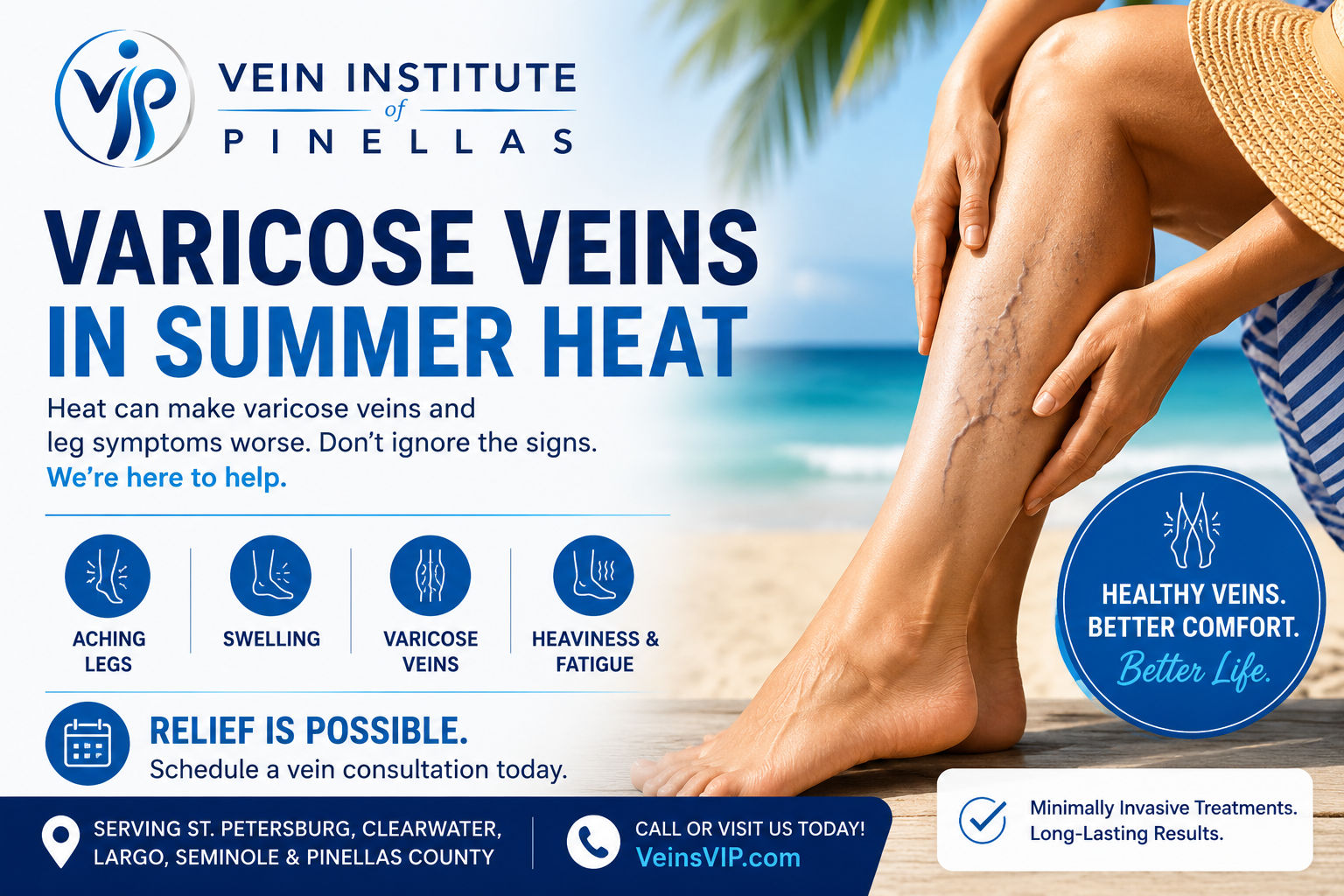
Why Summer Can Make Varicose Veins More Noticeable
For many people in Florida, summer means sunshine, outdoor activities, beach days, vacations, and warmer weather. But for patients with varicose veins or underlying vein disease, the summer heat can also bring uncomfortable symptoms such as leg swelling, heaviness, aching, throbbing, itching, cramping, and visible bulging veins.
During the summer, many people notice how varicose veins in summer can become more pronounced due to the heat.
If your legs feel worse during hot weather, you are not imagining it. Heat can affect circulation by causing blood vessels to widen. When veins are already weakened or damaged, this can make it harder for blood to move efficiently back toward the heart. As a result, blood may pool in the legs, increasing pressure inside the veins and making symptoms more noticeable.
It’s essential to recognize that varicose veins in summer can lead to significant discomfort if not addressed properly.
At Veins VIP / Vein Institute of Pinellas, we often see patients who report that their varicose veins feel worse during the summer months. Some notice more swelling by the end of the day. Others feel more heaviness, fatigue, or aching in the legs after being outside, standing for long periods, or sitting for extended periods during travel.
Patients often seek advice on how to alleviate the symptoms of varicose veins in summer.
Summer is a great time to pay attention to your vein health. Varicose veins are not always just a cosmetic concern. In some cases, they may be a sign of chronic venous insufficiency, a condition where the veins have trouble returning blood from the legs back to the heart. Cleveland Clinic notes that chronic venous insufficiency can cause symptoms such as tired or achy legs, visible veins, swelling, skin changes, and in more advanced stages, ulcers.
Understanding the implications of varicose veins in summer is crucial for maintaining vein health.
What Are Varicose Veins?
Since varicose veins in summer can worsen, it’s vital to take proactive measures.
Varicose veins are enlarged, twisted, or bulging veins that commonly appear in the legs. They may look blue, purple, rope-like, raised, or swollen. Some people also develop smaller spider veins, which are thin red, blue, or purple veins closer to the surface of the skin.
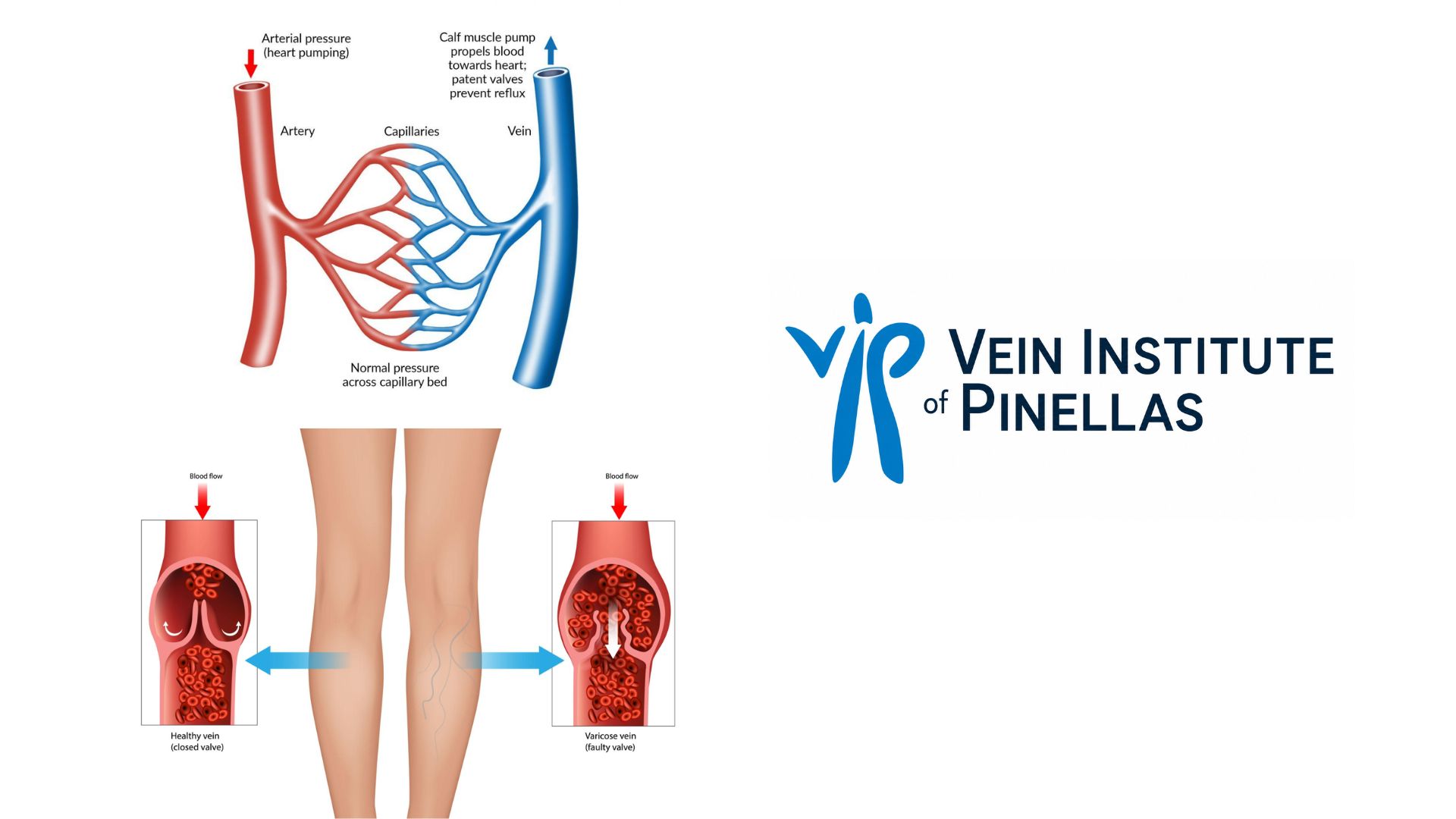
Veins have one-way valves that help move blood upward from the legs toward the heart. When these valves weaken or do not close properly, blood can flow backward and collect in the veins. This added pressure can cause the vein walls to stretch, leading to visible varicose veins.
Considering factors that contribute to varicose veins in summer can help manage symptoms better.
Some people have varicose veins with few symptoms. Others experience daily discomfort. Common symptoms can include:
-
- Leg heaviness
Commonly, varicose veins in summer lead to increased swelling and discomfort, especially in warmer climates.
- Aching or throbbing
- Swelling in the ankles or calves
- Itching or burning around veins
- Muscle cramping
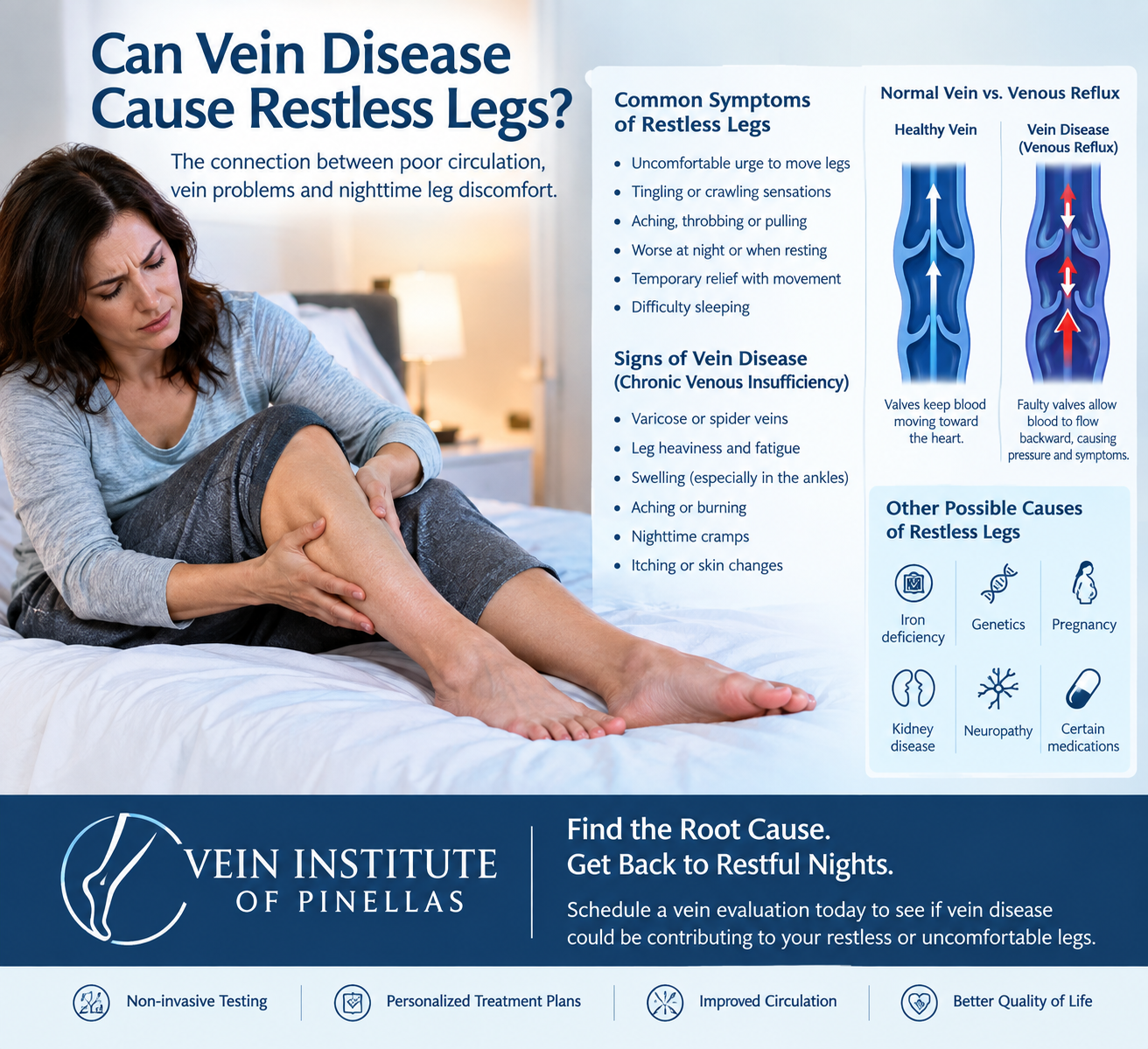
- Restless legs
- Skin discoloration
- Tired legs at the end of the day
- Bulging or painful veins
The Society for Vascular Surgery describes aching and swelling as common symptoms that can be helped with compression stockings in some patients.
Why Do Varicose Veins Feel Worse in Summer?
To minimize the effects of varicose veins in summer, lifestyle adjustments can be beneficial.
Florida heat can be hard on the body, especially for people with vein problems. When temperatures rise, your blood vessels naturally expand. This process helps the body release heat, but it can also increase discomfort in the legs.
For someone with healthy veins, this temporary widening may not cause noticeable symptoms. But for someone with varicose veins or venous insufficiency, widened veins can allow even more blood to pool in the lower legs. That extra pooling can lead to more pressure, swelling, and discomfort.
This is why many patients say their legs feel better in cooler weather and worse during hot, humid months. The problem is not just the temperature itself. Summer activities can also contribute. Long walks, outdoor events, travel, standing at gatherings, dehydration, and increased time in the sun can all make symptoms more noticeable.
If you are in St. Petersburg, Clearwater, Largo, Pinellas Park, Seminole, or anywhere in Pinellas County, you know Florida heat can last well beyond June. That means vein symptoms can continue throughout the summer and into early fall.
Individuals should be aware that varicose veins in summer can be exacerbated by various activities.
Common Summer Symptoms of Varicose Veins
Varicose veins can affect each patient differently, but summer symptoms often follow a pattern. Many patients feel fine in the morning but notice symptoms worsening as the day goes on. By late afternoon or evening, the legs may feel swollen, heavy, and tired.
Leg Swelling
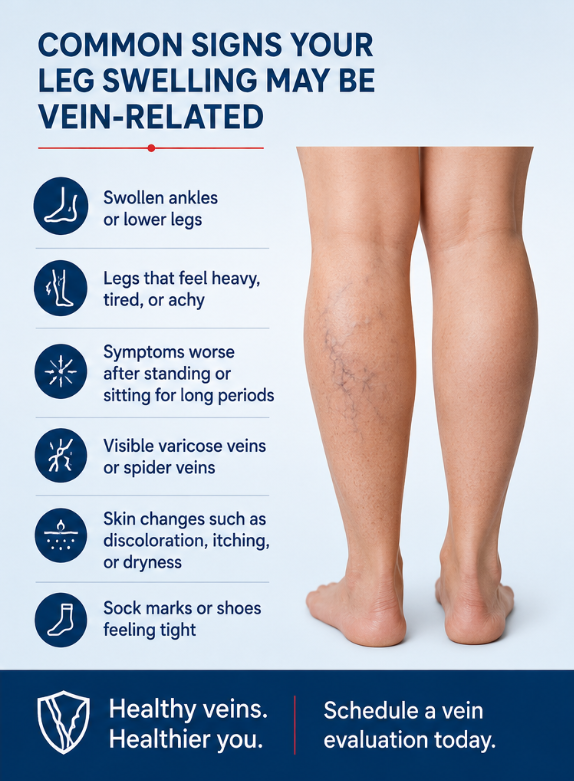
Swelling is one of the most common complaints during hot weather. You may notice tightness around the ankles, sock marks, or shoes feeling tighter than usual. Swelling can become more noticeable after standing, sitting, or being outside in the heat.
Heavy, Tired Legs
Many patients describe their legs as feeling heavy, tired, or weighed down. This can make walking, exercising, or standing for long periods more difficult.
Many patients feel the impact of varicose veins in summer during outdoor activities.
Aching or Throbbing
Aching, throbbing, or pressure may occur around the visible veins or throughout the lower legs. Symptoms may worsen after a long workday, travel, or outdoor activity.
Itching or Burning
Some people experience itching or burning around varicose veins. This may be a sign of irritation in the skin and surrounding tissue caused by increased pressure in the veins.
Recognizing how varicose veins in summer relate to daily habits can aid in symptom management.
Nighttime Cramping or Restlessness
Leg cramps, restless legs, or discomfort at night may become more noticeable when circulation is not working efficiently during the day.
Discovering solutions for varicose veins in summer can enhance comfort and mobility.
More Visible Veins
Heat can make veins appear more prominent. You may notice veins looking larger, darker, or more raised after being in the sun or standing for a long period.
Varicose Veins May Be a Sign of Venous Insufficiency
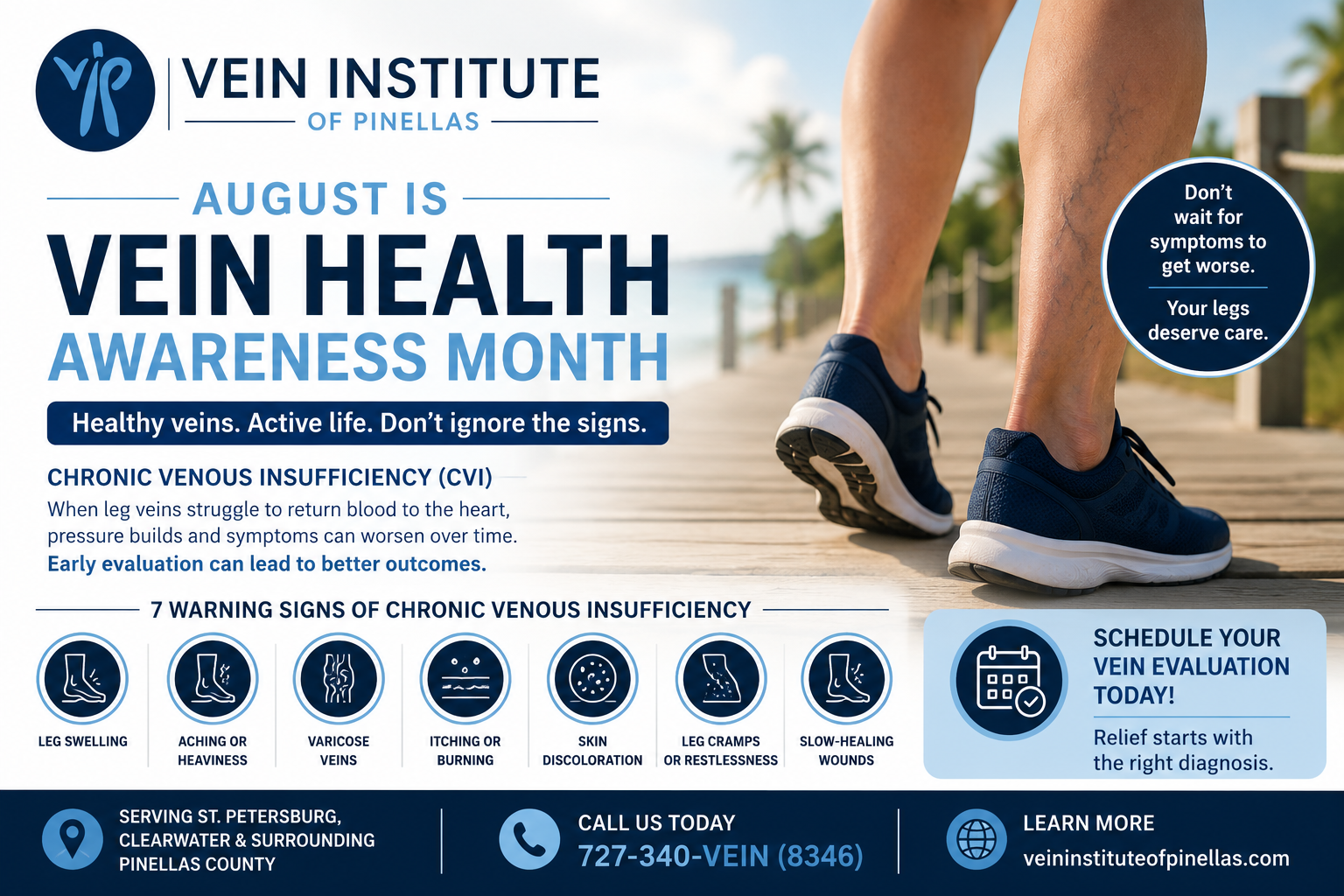
Varicose veins are common, but they should not always be ignored. In some patients, varicose veins are a visible sign of a deeper circulation problem called chronic venous insufficiency.
Chronic venous insufficiency happens when the valves in the leg veins do not work properly. Instead of pushing blood upward toward the heart, the veins allow blood to fall backward and pool in the legs. Over time, this can increase pressure in the veins and lead to worsening symptoms.
Cleveland Clinic explains that severe varicose veins may be a sign of chronic venous insufficiency and that untreated varicose veins can sometimes be associated with complications such as ulcers, bleeding, inflammation, or skin discoloration.
This does not mean every visible vein is dangerous. However, it does mean that patients with symptoms should consider a vein evaluation, especially if the symptoms are getting worse or affecting daily life.
Risk Factors for Varicose Veins
Some people are more likely to develop varicose veins than others. Risk factors can include:
-
- Family history of varicose veins
- Aging
- Pregnancy
For many, understanding varicose veins in summer is essential for proper vein care.
- Standing or sitting for long periods
- Being overweight
- Prior leg injury
- History of blood clots
- Hormonal changes
- Lack of movement
- Chronic venous insufficiency
Many patients have more than one risk factor. For example, someone may have a family history of varicose veins and also work in a job that requires long hours of standing. Over time, this combination can increase pressure in the leg veins.
Many patients report worsening varicose veins in summer, prompting them to seek help.
Jobs and Daily Habits That Can Make Symptoms Worse
Summer heat can worsen vein symptoms, but daily habits also matter. People who stand or sit for long periods may notice more swelling and heaviness. This can include healthcare workers, teachers, retail employees, restaurant workers, drivers, office workers, and frequent travelers.
During summer, those with varicose veins often inquire about effective relief strategies.
When the calf muscles are not moving, blood has a harder time returning from the legs to the heart. Walking and calf movement help support circulation. That is why symptoms may feel worse after standing still or sitting for hours.
If you work on your feet, try to take short walking breaks, shift your weight, and elevate your legs when possible. If you sit for long periods, stand up and move every hour. Small habits can help reduce pressure in the legs, especially during the summer.
How to Support Vein Health During Florida Summer
While professional evaluation is important for ongoing or worsening symptoms, there are steps you can take to support vein health during the summer.
Stay Hydrated
Dehydration can make the body feel sluggish and may contribute to discomfort during hot weather. Drink water throughout the day, especially if you are outside, exercising, or sweating.
Move Regularly
Walking helps activate the calf muscles, which support blood flow in the legs. Even short walks can help reduce pooling and stiffness.
Avoid Standing Still for Too Long
Standing in one place can increase pressure in the leg veins. If you must stand, try calf raises, ankle circles, or shifting your weight.
Elevate Your Legs
Elevating your legs above heart level for 15 to 20 minutes may help reduce swelling and pressure after a long day.
Wear Comfortable Shoes
Supportive shoes can help reduce leg fatigue. Avoid shoes that make it harder to walk normally or place extra pressure on the legs.
Understanding how to manage varicose veins in summer can improve quality of life.
Consider Compression Stockings
Compression stockings can help reduce aching and swelling for some patients by applying pressure to support blood flow. The Society for Vascular Surgery states that knee-high compression stockings providing 20–30 mmHg of compression often help relieve symptoms such as aching or swelling.
However, compression stockings are not a cure for vein disease. They may help manage symptoms, but patients with ongoing discomfort should still consider a vein evaluation.
Avoid Prolonged Heat Exposure
Exploring treatment options for varicose veins in summer can lead to better outcomes.
Hot tubs, saunas, and long periods in direct heat can make symptoms worse for some people. If you notice your legs swelling or aching after heat exposure, take breaks, cool down, and elevate your legs.
When Should You See a Vein Specialist?
You should consider scheduling a vein consultation if your symptoms are recurring, worsening, or interfering with daily activities. A vein specialist can help determine whether your symptoms are caused by surface veins, deeper vein problems, or another condition.
Schedule an evaluation if you have:
- Bulging varicose veins
- Leg swelling that worsens throughout the day
- Heavy, tired, or aching legs
- Burning, itching, or throbbing near veins
- Nighttime leg cramps
- Restless legs
- Skin discoloration near the ankles
- Dry, irritated, or thickened skin on the lower legs
- A wound or sore that is slow to heal
- Painful veins
- Symptoms that worsen in heat
The Canadian Society for Vascular Surgery notes that patients with heaviness, aching, pain, and visible varicose veins should have a proper consultation and assessment, and patients with skin damage, pigmentation, or ulcer formation should be evaluated urgently.
Ultimately, awareness of varicose veins in summer is key to effective management.
What Happens During a Vein Consultation?
A vein consultation is designed to understand your symptoms, medical history, and circulation. Your provider may ask when symptoms started, what makes them worse, what improves them, whether you have a family history of vein disease, and whether you have had blood clots, surgeries, pregnancies, or leg injuries.
Depending on your symptoms, a vein ultrasound may be recommended. Ultrasound is a non-invasive test that can evaluate blood flow and check whether the vein valves are functioning properly. This helps identify whether varicose veins are connected to venous insufficiency.
A proper diagnosis matters because the best treatment plan depends on the cause of the symptoms. Treating only what is visible on the surface may not address the underlying problem if deeper vein reflux is present.
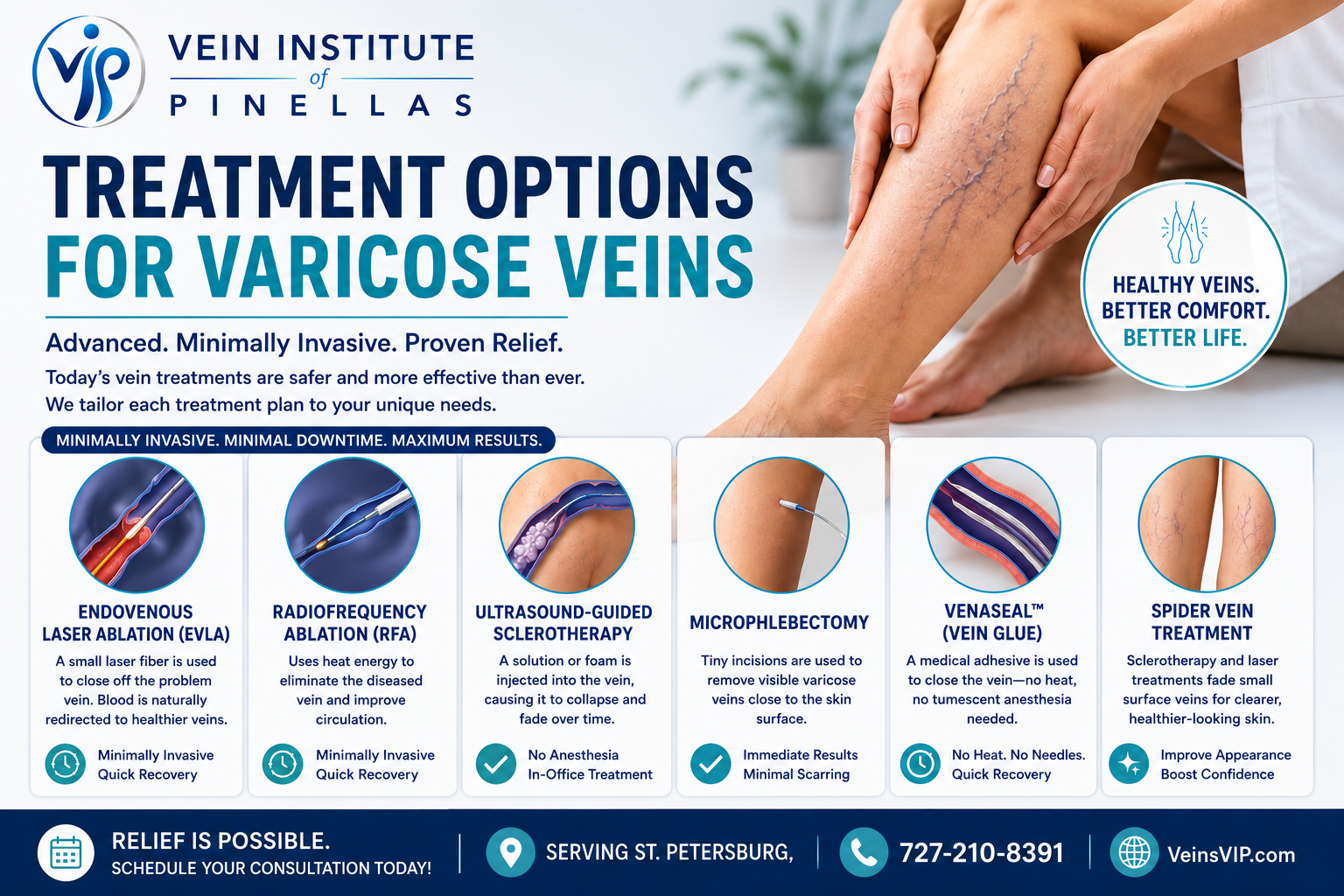
Treatment Options for Varicose Veins
Treatment depends on the patient’s symptoms, ultrasound results, health history, and goals. Some patients may benefit from conservative care, such as compression stockings, leg elevation, exercise, and lifestyle changes. Others may need minimally invasive treatment to address problem veins.
Modern vein treatments are often performed in an outpatient setting and may require little downtime. Treatment options can vary by patient and by provider recommendations, but they may include procedures designed to close or treat veins that are not working properly.
The goal of treatment is not only cosmetic improvement. For symptomatic patients, treatment may help reduce heaviness, aching, swelling, throbbing, and discomfort related to vein disease.
At Veins VIP / Vein Institute of Pinellas, patients can receive a vein evaluation and discuss whether treatment is appropriate based on their symptoms and diagnostic findings.
Why You Should Not Wait Until Symptoms Become Severe
Many people delay vein care because they think varicose veins are only cosmetic. Others assume swelling and heaviness are just part of aging or Florida heat. But recurring symptoms may be a sign that your veins are under stress.
Waiting too long can allow symptoms to progress. Some patients may develop skin discoloration, inflammation, worsening swelling, or sores near the ankles. Early evaluation can help identify problems before they become more advanced.
If you notice that your symptoms are worse every summer, that is a sign worth paying attention to. The heat may be revealing an underlying vein problem that needs medical evaluation.
Varicose Veins and Summer Travel
Summer often means more travel, whether by car, plane, or cruise. Long periods of sitting can make vein symptoms worse because the calf muscles are not actively helping blood move through the legs.
During long trips, try to:
- Stand and walk when possible
- Move your ankles and calves while seated
- Stay hydrated
- Avoid crossing your legs for long periods
- Wear comfortable clothing
- Ask your provider whether compression stockings are appropriate
If you develop sudden leg swelling, severe pain, redness, warmth, or shortness of breath, seek medical attention immediately. These symptoms may require urgent evaluation.
Living in Pinellas County: Why Local Vein Care Matters
Florida’s warm climate can make vein symptoms a year-round issue, but summer often brings the most noticeable discomfort. Patients in St. Petersburg, Clearwater, Largo, Seminole, Pinellas Park, and surrounding Pinellas County communities may experience more swelling and leg fatigue because of the heat, humidity, and active outdoor lifestyle.
Having access to a local vein specialist makes it easier to get evaluated, complete testing, discuss treatment options, and follow through with care. If varicose veins are affecting your comfort, mobility, confidence, or daily routine, it may be time to schedule a consultation.
Take the First Step Toward Healthier Legs This Summer
Varicose veins can become more uncomfortable during summer heat, but you do not have to live with ongoing leg swelling, heaviness, aching, or painful veins. These symptoms may be your body’s way of telling you that your circulation needs attention.
This summer, take the opportunity to prioritize your vein health. A consultation can help determine whether your symptoms are related to varicose veins, venous insufficiency, or another concern.
If your legs feel worse in the heat, do not ignore it. Schedule a vein consultation with Veins VIP / Vein Institute of Pinellas today.
Taking action against varicose veins in summer can significantly improve your comfort.
Visit VeinsVIP.com or call Veins VIP to request an appointment.
FAQ: Varicose Veins in Summer
Why do my varicose veins hurt more in hot weather?
Heat can cause blood vessels to widen. When veins are already weakened, this may increase blood pooling in the legs, leading to more swelling, heaviness, aching, and throbbing.
Can summer heat cause varicose veins?
Heat does not usually create varicose veins by itself, but it can make existing vein problems more noticeable. If your symptoms get worse in summer, you may have underlying vein disease.
Are varicose veins only cosmetic?
No. While some people seek treatment for cosmetic reasons, varicose veins can also be connected to symptoms such as leg swelling, aching, heaviness, itching, burning, and chronic venous insufficiency.
What helps varicose veins during summer?
Hydration, walking, leg elevation, avoiding prolonged standing or sitting, wearing supportive shoes, and using compression stockings when recommended may help reduce symptoms.
When should I see a vein specialist?
You should see a vein specialist if you have painful varicose veins, leg swelling, heaviness, aching, skin discoloration, itching, burning, or symptoms that worsen during the day or in hot weather.
Where can I get varicose vein treatment in Pinellas County?
Veins VIP / Vein Institute of Pinellas provides vein evaluations and treatment options for patients in Pinellas County, including St. Petersburg, Clearwater, Largo, Seminole, and surrounding communities.

Leave A Comment