
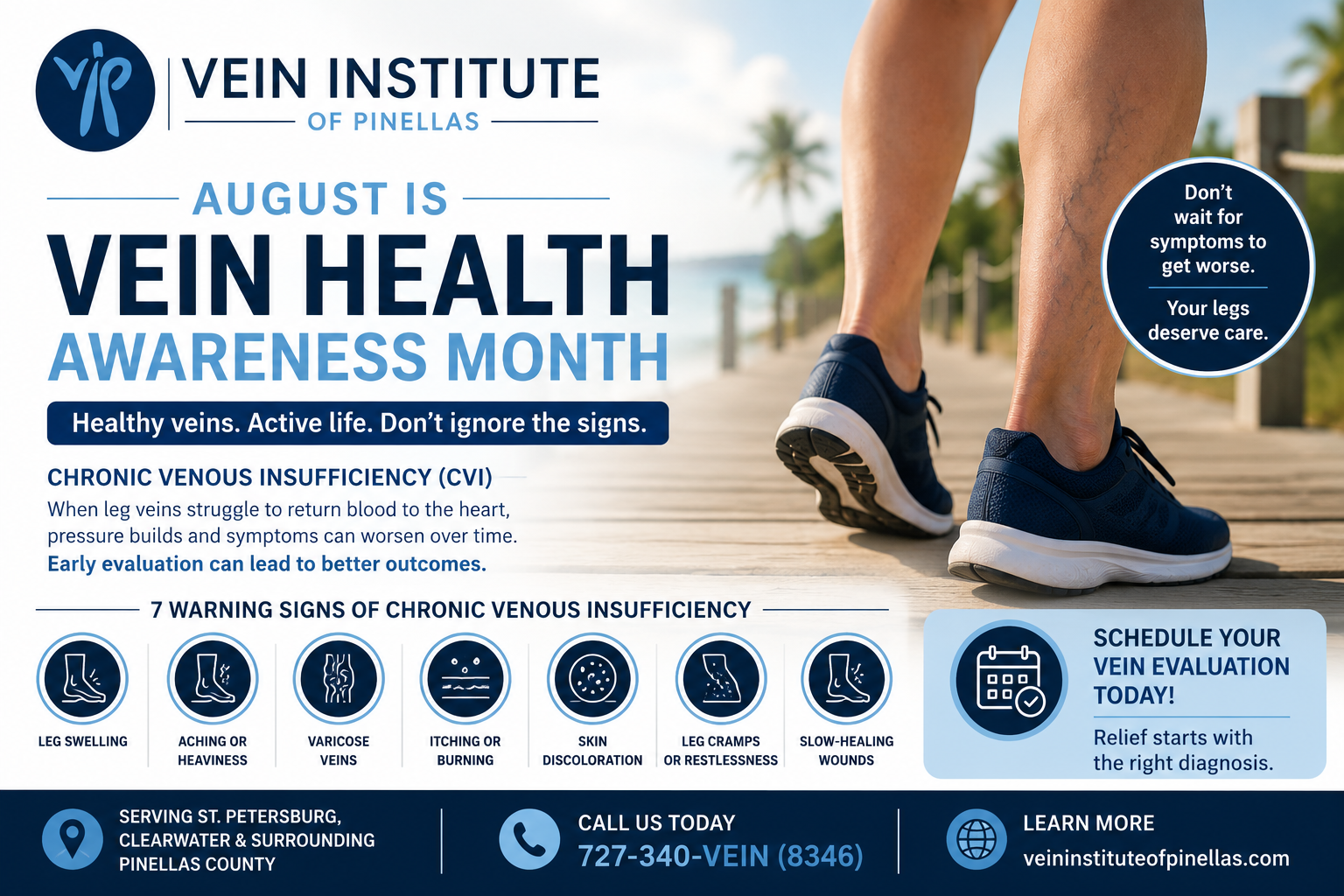
August Vein Health Awareness: 7 Warning Signs of Chronic Venous Insufficiency You Should Not Ignore
Leg discomfort is easy to dismiss. Many people assume that aching, heaviness, swelling or visible veins are simply part of aging, standing all day or living an active lifestyle. However, these symptoms may indicate an underlying condition known as chronic venous insufficiency.
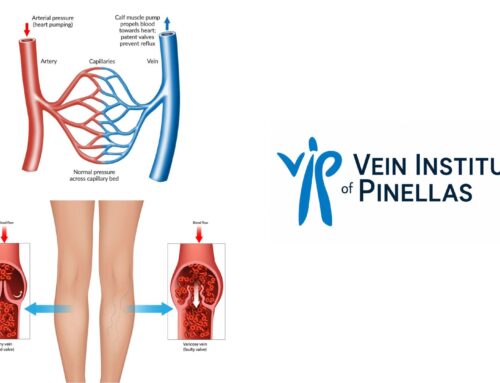
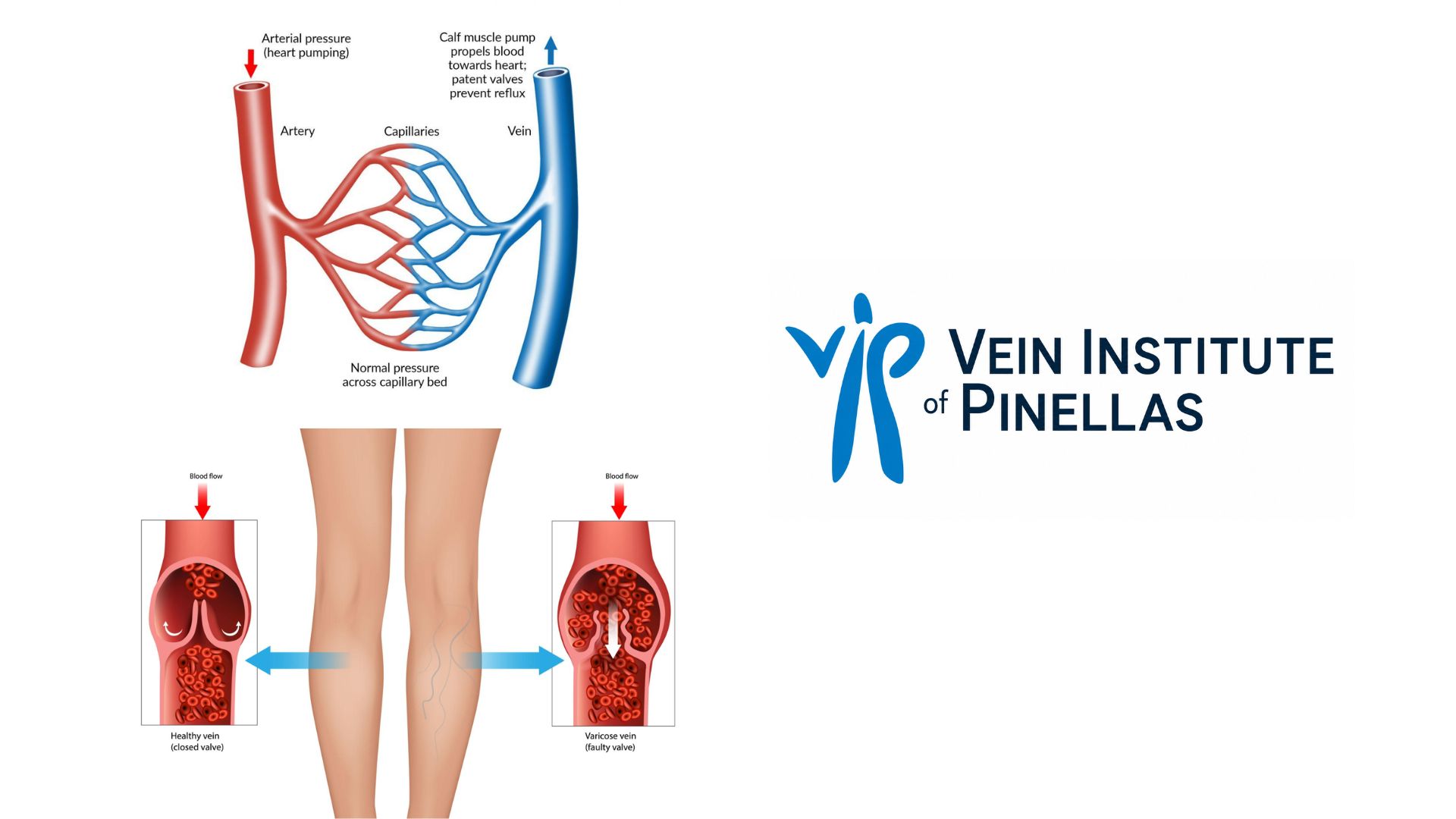
Chronic venous insufficiency, often abbreviated as CVI, develops when the veins in the legs have difficulty returning blood toward the heart. When the valves inside the veins become weakened or damaged, blood can flow backward and collect in the lower legs. This increased pressure can lead to swelling, discomfort, varicose veins, skin discoloration and, in advanced cases, difficult-to-heal wounds.
This August, the Vein Institute of Pinellas encourages patients to pay closer attention to changes in their legs. Early symptoms of vein disease are often manageable, but they should not be ignored—especially when they are persistent, worsening or interfering with everyday activities.
Understanding the warning signs of chronic venous insufficiency can help you know when it may be time to schedule a professional vein evaluation.
What Is Chronic Venous Insufficiency?
Veins are responsible for carrying blood from different parts of the body back to the heart. In the legs, blood must travel upward against gravity. Small one-way valves inside the veins help keep blood moving in the proper direction.
When these valves do not close correctly, some blood can move backward and pool in the legs. Over time, this can increase pressure inside the veins and contribute to symptoms of chronic venous insufficiency.
The condition may begin with mild discomfort or cosmetic changes. As it progresses, patients may experience more frequent swelling, painful varicose veins, changes in skin color or texture and venous ulcers around the lower legs and ankles.
Chronic venous insufficiency is different from an arterial condition. Arteries carry oxygen-rich blood away from the heart, while veins return blood to the heart. Because symptoms of arterial and venous disease can sometimes overlap, a medical evaluation is important before beginning treatment.
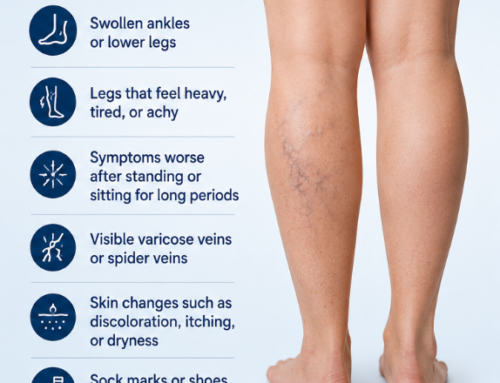
1. Persistent Leg or Ankle Swelling
One of the most common signs of chronic venous insufficiency is swelling in the lower legs or ankles.
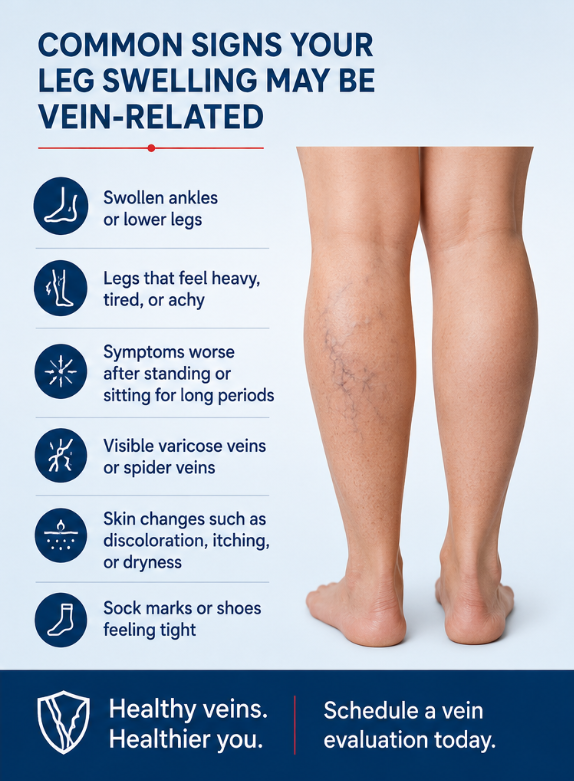
The swelling may be mild in the morning and become more noticeable later in the day. It may worsen after long periods of sitting or standing. Some patients notice that socks leave deep marks around their ankles or that shoes feel tighter in the evening.
Swelling can occur when increased pressure within the leg veins allows fluid to move into the surrounding tissues. Although leg swelling can have many causes—including medication effects, heart conditions, kidney problems, injuries and blood clots—persistent or recurring swelling deserves medical attention.
A vein specialist can help determine whether the swelling is related to venous insufficiency or another condition.
Seek prompt medical care when swelling:
- Develops suddenly.
- Affects only one leg.
- Is accompanied by warmth or redness.
- Occurs with unexplained pain or tenderness.
- Is associated with chest pain or shortness of breath.
Sudden one-sided swelling, tenderness, warmth or discoloration can be associated with deep vein thrombosis, also called DVT.
2. Aching, Throbbing or Heavy Legs
Chronic venous insufficiency can cause the legs to feel tired, heavy, tight, achy or uncomfortable.
Some patients describe a dull pressure rather than sharp pain. Others experience throbbing, burning or general fatigue in the legs. Symptoms may become worse after standing for extended periods and improve when the legs are elevated.
The discomfort may interfere with work, exercise, sleep or household activities. People who spend much of the day standing—such as healthcare workers, teachers, retail employees, restaurant workers and hairstylists—may notice symptoms near the end of their shifts.
Leg discomfort should not automatically be blamed on age or activity. Persistent heaviness and aching, particularly when accompanied by swelling or visible veins, can indicate a problem with circulation in the veins.
3. Bulging or Twisted Varicose Veins
Varicose veins are enlarged, twisted veins that commonly appear blue or purple beneath the skin. They often develop in the legs and may protrude above the skin’s surface.
Varicose veins occur when increased pressure and faulty valves affect blood flow through the veins. Genetics can play an important role, but other risk factors may include increasing age, pregnancy, excess weight, prolonged sitting or standing and a history of blood clots.
Not every varicose vein causes pain. However, visible veins may be accompanied by:
- Aching or throbbing.
- Swelling.
- Burning or itching.
- Tenderness.
- Leg fatigue.
- Nighttime cramping.
- A feeling of pressure or heaviness.
Varicose veins are sometimes considered only a cosmetic concern, but they may also be a visible sign of underlying venous insufficiency. A vein evaluation can help determine whether treatment is medically appropriate.
4. Itching, Burning or Irritated Skin
Itching around the lower legs and ankles may be another symptom of chronic venous insufficiency.
When venous pressure remains elevated, the skin and surrounding tissues can become irritated. Some patients repeatedly apply lotion or assume they have dry skin, while the actual cause may involve poor venous circulation.
Symptoms may include:
- Persistent itching.
- Burning sensations.
- Redness or inflammation.
- Dry or flaky skin.
- Tight or sensitive skin.
- A rash near the ankles.
Scratching irritated skin can cause small openings and increase the possibility of infection. Any persistent rash, skin irritation or unexplained itching around areas of swelling or varicose veins should be evaluated.
5. Brown, Red or Purple Skin Discoloration
Changes in skin color around the lower legs or ankles can be a sign that venous disease has progressed.
When blood remains pooled in the legs for extended periods, changes can occur in the skin and underlying tissues. The skin may become brown, reddish, purple or unusually dark. It may also become thick, firm, shiny or tender.
The Society for Vascular Surgery lists brown discoloration near the ankles among the symptoms associated with chronic venous insufficiency.
Skin discoloration should not be covered and forgotten. Once significant skin changes develop, they may be more difficult to reverse. Early evaluation may help identify the source of the venous pressure and reduce the risk of additional complications.
Patients should also seek care for skin that becomes increasingly warm, painful, swollen or red, since these symptoms may indicate infection or another acute problem.
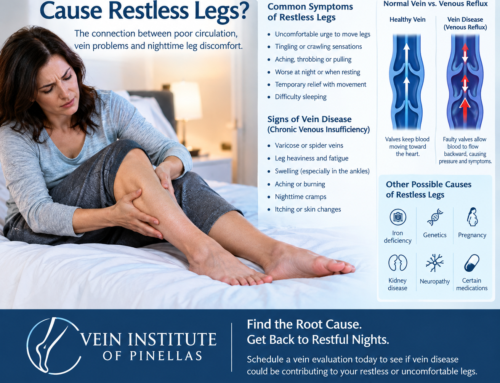
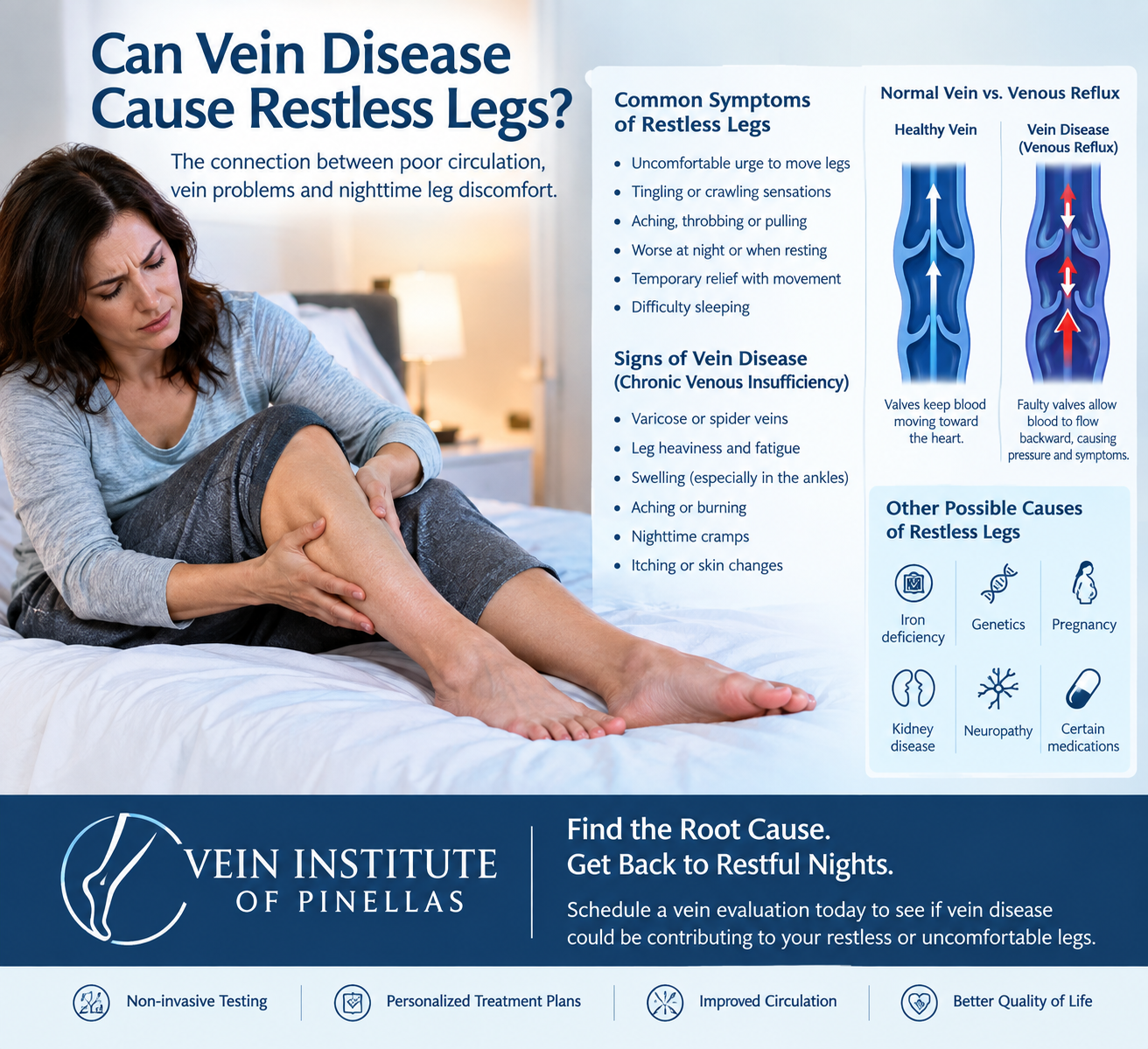
6. Leg Cramps or Restless Legs
Frequent leg cramps, particularly at night, may be associated with several conditions, including dehydration, medication effects, muscle strain, nerve problems and circulation issues.
Chronic venous insufficiency can sometimes contribute to painful muscle spasms or an uncomfortable urge to move the legs. The Society for Vascular Surgery includes leg cramps and restless-leg symptoms among the possible signs associated with CVI.
A patient may describe:
- Cramping in the calves at night.
- Restlessness while trying to sleep.
- An uncomfortable pulling or crawling sensation.
- Temporary relief after moving or elevating the legs.
- Leg fatigue that worsens throughout the day.
Because these symptoms are not specific to one disease, a complete evaluation is important. Patients should not assume that every nighttime leg cramp is caused by varicose veins.
7. Slow-Healing Wounds Near the Ankles
A wound that does not heal normally is one of the more serious potential complications of advanced chronic venous insufficiency.
Venous ulcers most often develop near the lower leg or ankle. They may begin after a small injury or appear in an area where the skin has already become discolored, thickened or irritated.
Warning signs may include:
- An open sore near the ankle.
- Drainage from the wound.
- Recurrent skin breakdown.
- Swelling around the affected area.
- Tender, irritated or discolored skin.
- A wound that improves and then returns.
Advanced chronic venous disease can cause skin changes and ulceration, and these wounds may be difficult to treat without addressing the underlying venous problem.
Do not attempt to manage a persistent leg wound with home remedies alone. A healthcare professional should evaluate the wound, circulation and potential signs of infection.
Who Is at Risk for Chronic Venous Insufficiency?
Chronic venous insufficiency can affect adults of different ages, but certain factors may increase the likelihood of developing vein problems.
Risk factors may include:
- A family history of varicose veins or vein disease.
- Increasing age.
- Pregnancy.
- Previous deep vein thrombosis.
- Excess body weight.
- Long periods of sitting or standing.
- Limited mobility.
- Previous leg injury or surgery.
- Smoking.
- A sedentary lifestyle.
Having one or more risk factors does not guarantee that a person will develop chronic venous insufficiency. However, people at higher risk should pay attention to leg symptoms and discuss persistent changes with a healthcare provider.
How Is Chronic Venous Insufficiency Diagnosed?
A vein evaluation generally begins with a review of your medical history and symptoms. Your provider may ask when the discomfort occurs, whether swelling improves overnight, whether you have had previous blood clots and whether vein disease runs in your family.
The legs may be examined for:
- Swelling.
- Varicose or spider veins.
- Skin discoloration.
- Tenderness.
- Temperature changes.
- Wounds or ulcers.
- Differences between the two legs.
A duplex ultrasound may be recommended to evaluate blood flow and the function of the valves inside the veins. This noninvasive examination uses sound waves to create images of the veins and help identify reflux, obstruction or possible blood clots.
An accurate diagnosis is important because leg pain and swelling can also be caused by arterial disease, heart problems, kidney disease, nerve conditions, joint problems, infection or medication effects.
Treatment Options for Chronic Venous Insufficiency
Treatment depends on the cause and severity of the condition, the veins involved, the patient’s symptoms and overall health.
Conservative recommendations may include:
Regular movement
Walking and other appropriate physical activity can activate the calf muscles, which help move blood upward through the leg veins.
People who sit or stand for extended periods may benefit from taking regular movement breaks. A provider can recommend an appropriate activity plan based on the patient’s health and mobility.
Leg elevation
Elevating the legs above the level of the heart may temporarily reduce swelling and pressure. Patients should ask their provider how frequently and how long they should elevate their legs.
Compression therapy
Medical-grade compression stockings may help control swelling and support venous circulation for certain patients.
Compression strength and fit matter. Compression garments should not be selected only according to appearance or online recommendations, especially when arterial disease or other circulation problems may be present.
Weight management
When appropriate, maintaining a healthy weight may reduce pressure on the veins and support overall cardiovascular health.
Medical vein procedures
When conservative measures do not provide adequate relief, or when significant venous reflux is present, a vein specialist may discuss minimally invasive treatment options.
Depending on the diagnosis, treatments may include:
- Endovenous thermal ablation.
- Chemical vein closure.
- Sclerotherapy.
- Microphlebectomy.
- Ultrasound-guided procedures.
Not every patient needs a procedure. The correct treatment plan should be based on a clinical evaluation and ultrasound findings.
Varicose Veins, Spider Veins and Chronic Venous Insufficiency
These terms are related, but they do not mean exactly the same thing.
Spider veins are small red, blue or purple vessels near the surface of the skin. They may appear in clusters or branching patterns.
Varicose veins are larger, bulging and twisted veins that may be painful, tender or uncomfortable.
Chronic venous insufficiency describes the underlying problem that occurs when the veins have difficulty returning blood toward the heart.
A person may have spider veins without significant venous insufficiency. Another patient may have chronic venous insufficiency even when very few veins are visible on the skin. This is why appearance alone cannot determine the severity of vein disease.
When Leg Symptoms May Be an Emergency
Most chronic venous insufficiency symptoms develop gradually. However, some symptoms require immediate medical attention.
A deep vein thrombosis is a blood clot that forms in a deep vein, usually in the lower leg, thigh or pelvis.
Contact a healthcare provider promptly for:
- Sudden swelling in one leg.
- Unexplained leg pain or tenderness.
- Warm skin.
- Red or discolored skin.
- New symptoms after surgery or prolonged immobility.
Call 911 or seek emergency care for:
- Sudden shortness of breath.
- Chest pain, especially when breathing.
- Coughing up blood.
- Fainting or severe lightheadedness.
- A rapid or irregular heartbeat.
These may be symptoms of a pulmonary embolism, which can occur when part of a blood clot travels to the lungs.
A cosmetic vein appointment is not a substitute for emergency evaluation when these warning signs are present.
August Vein Health Checklist
Use this month to check your legs and evaluate your vein health.
Ask yourself:
- Do my ankles swell by the end of the day?
- Do my legs regularly feel heavy or tired?
- Have my varicose veins become larger or painful?
- Do I experience itching or burning around my ankles?
- Has the skin on my lower legs changed color?
- Do I have frequent nighttime leg cramps?
- Do symptoms worsen after sitting or standing?
- Do I have a wound that is not healing?
- Have I previously had a blood clot?
- Is vein disease common in my family?
One symptom does not automatically mean you have chronic venous insufficiency. However, recurring or worsening symptoms should be discussed with a qualified healthcare professional.
Do Not Wait for Vein Disease to Become Severe
Vein disease can progress gradually, making it easy to adjust to the discomfort. Patients may begin avoiding long walks, limiting exercise or planning their day around swollen and painful legs without realizing how much the condition affects their quality of life.
Visible varicose veins, chronic swelling and skin discoloration should not be dismissed as merely cosmetic. An evaluation can determine whether the valves inside the veins are functioning properly and whether treatment may help.
At the Vein Institute of Pinellas, our team evaluates and treats a range of venous conditions, including varicose veins, spider veins and chronic venous insufficiency.
We provide personalized vein care for patients in St. Petersburg, Clearwater and surrounding Pinellas County communities.
Schedule a Vein Evaluation in Pinellas County
August is a good time to take persistent leg symptoms seriously.
Schedule an evaluation when you experience:
- Leg swelling.
- Painful or bulging veins.
- Heavy or tired legs.
- Skin discoloration.
- Burning or itching.
- Nighttime cramping.
- Slow-healing leg wounds.
A professional evaluation can help identify the source of your symptoms and determine whether conservative care, ultrasound testing or a vein treatment may be appropriate.
Contact the Vein Institute of Pinellas today to schedule your vein consultation and take the first step toward healthier, more comfortable legs.

Leave A Comment