
🩸 5 Powerful Ways to Improve Leg Circulation and Prevent Varicose Veins This November
Introduction
As temperatures drop and the holidays approach, many people begin noticing changes in their legs — heaviness, swelling, or visible veins that seem more pronounced. These can be early signs of poor circulation or venous insufficiency, conditions that affect millions of adults but are often overlooked until discomfort becomes visible.
At the Vein Institute of Pinellas (VeinsVIP.com), we believe that healthy circulation is more than cosmetic — it’s vital to your overall wellness. This November, we’re raising awareness about vein health and sharing proven strategies to prevent varicose veins, spider veins, and Deep Vein Thrombosis (DVT).
Whether you’ve already noticed symptoms or simply want to keep your legs strong and energized, these five powerful tips can help you maintain optimal vein health all year long.
Understanding Varicose Veins and Poor Circulation
Your veins play an essential role in returning blood to your heart. When the valves in your veins weaken or fail, blood can pool in your lower legs, causing bulging veins, swelling, and discomfort.
Key Facts About Varicose Veins
-
Up to 35% of adults in the U.S. experience varicose veins.
-
Women are nearly twice as likely as men to develop them.
-
Standing or sitting for long hours increases risk — especially for healthcare workers, teachers, and office staff.
-
Genetics, pregnancy, obesity, and aging also contribute.
Over time, untreated vein problems can lead to skin changes, leg ulcers, or painful blood clots. That’s why it’s important to treat symptoms early — and why November’s Vein Health Awareness Month is the perfect time to act.
Vein Institute of Pinellas
Why November Is the Perfect Month for Vein Health
Cooler temperatures make it easier to wear compression stockings and recover comfortably from in-office vein treatments. Additionally, insurance companies often encourage completing medical treatments before year-end deductibles reset, making November a great time to address your vein concerns.
Holiday travel also increases your risk of DVT, especially on long flights or car rides. According to the CDC, prolonged immobility can cause blood clots that may travel to the lungs — a life-threatening emergency known as pulmonary embolism.
By improving your circulation and scheduling a vein screening before travel season, you can stay safe and comfortable throughout the holidays.
Recognizing the Early Warning Signs
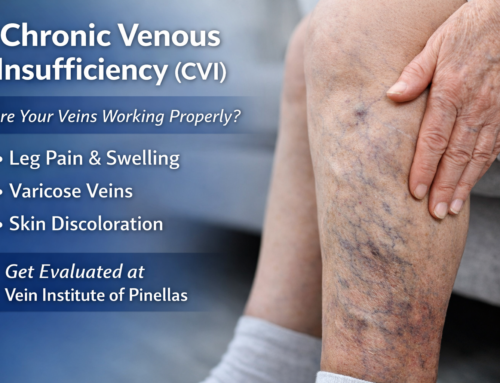
Vein issues develop gradually, and early symptoms are often mistaken for fatigue or aging. If you experience any of the following, it’s time to seek evaluation:
-
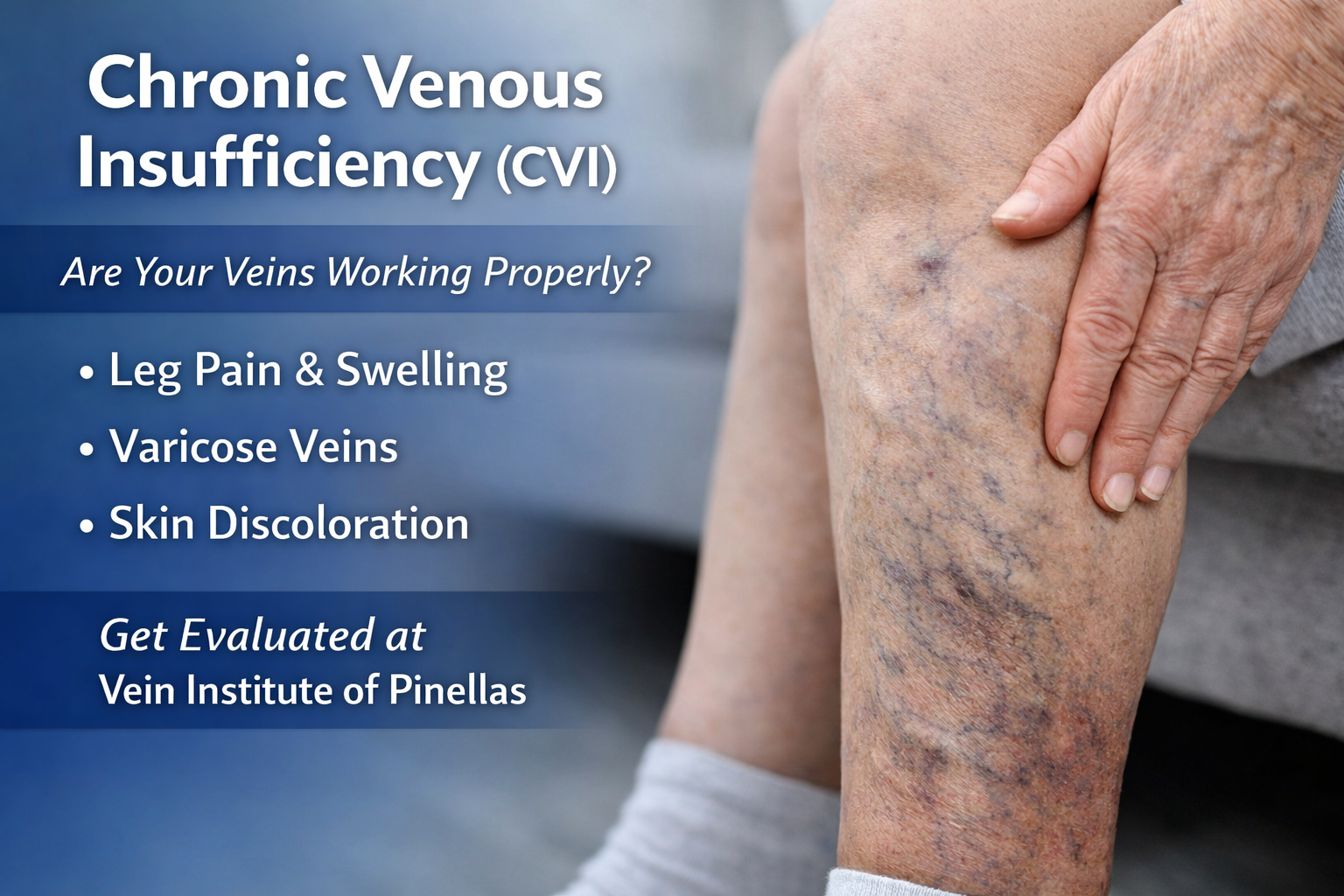
Legs feel heavy, achy, or tired by day’s end
-
Noticeable swelling in ankles or calves
-
Itching or burning around visible veins
-
Skin darkening near the ankles
-
Night cramps or restless legs
-
Twisted or rope-like veins visible under the skin
These symptoms can worsen without treatment, but early detection allows for easy, minimally invasive solutions.
1️⃣ Keep Moving: Boost Circulation Naturally
Movement is your best defense against vein disease. When your calf muscles contract, they act as a natural pump, pushing blood upward toward your heart.
Try These Circulation-Boosting Habits
-
Take 5-minute movement breaks every hour during work.
-
Walk briskly for 30 minutes daily.
-
Perform simple calf raises while brushing your teeth or cooking.
-
Avoid crossing your legs for long periods.
-
Stretch before bed to relieve muscle tension.
Travel Tip
When flying or driving for more than two hours:
-
Flex and point your feet frequently.
-
Get up to walk the aisle every hour if possible.
-
Drink plenty of water to stay hydrated.
-
Wear compression socks to support blood flow.
Check out our Healthy Legs Blog for home exercises that protect circulation and reduce swelling.
2️⃣ Wear Compression Stockings Consistently
Compression stockings are one of the simplest and most effective ways to prevent varicose veins and control swelling. They apply graduated pressure that helps blood flow from the legs back toward the heart.
You can find medical-grade compression options at our Vein Institute of Pinellas offices in Largo and St. Petersburg. Our team can measure your legs and recommend the right level of compression for your needs.
When to wear them:
-
During work (especially if you stand or sit all day)
-
On long trips or flights
-
After vein treatment for faster recovery
Compression stockings can improve comfort almost immediately and reduce daily leg fatigue — making them a must-have during the holiday season.
3️⃣ Maintain a Healthy Weight and Diet for Circulation
Your diet directly affects your veins. Carrying extra weight increases pressure in your leg veins, while poor nutrition weakens blood vessel walls. A vein-friendly diet can improve circulation, reduce inflammation, and prevent clots.
Vein-Healthy Foods
-
Leafy greens (kale, spinach): Provide vitamin K to strengthen blood vessel walls.
-
Berries and citrus fruits: Rich in antioxidants and vitamin C to reduce inflammation.
-
Whole grains: High in fiber, which promotes circulation.
-
Fatty fish (salmon, tuna): Contain omega-3s that improve blood flow.
-
Hydration: Drink at least 8 glasses of water daily to prevent sluggish circulation.
At PHC Health & Wellness, our nutrition specialists can help you create a balanced meal plan that supports your vein and heart health simultaneously.
4️⃣ Schedule a Professional Vein Screening
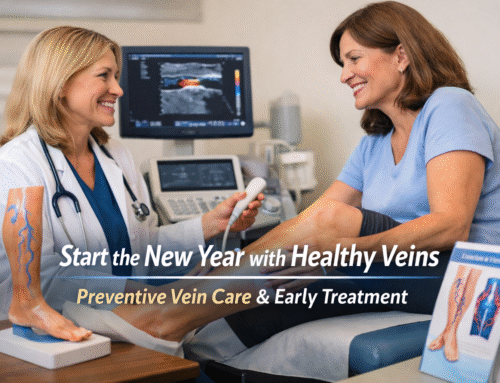
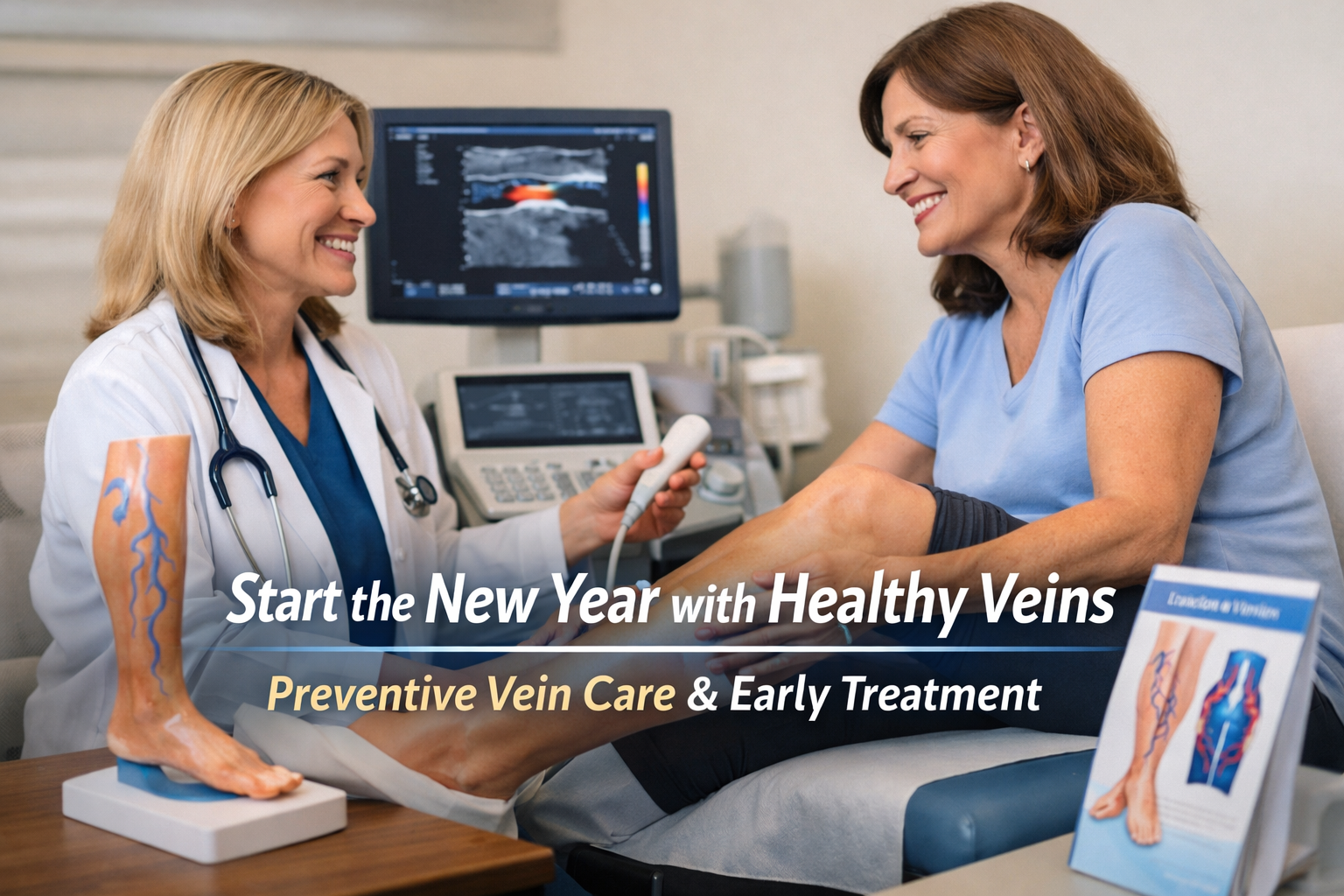
A venous ultrasound is the most accurate way to detect vein problems early. This painless, noninvasive test allows our specialists to evaluate blood flow and identify hidden valve damage or clotting issues.
At Vein Institute of Pinellas, we offer same-day evaluations with advanced ultrasound imaging to create personalized treatment plans. Most medical insurance plans cover diagnostic testing when symptoms like pain, swelling, or heaviness are present.
Common Minimally Invasive Treatments
-
Endovenous Laser Therapy (EVLT): Uses targeted heat to close diseased veins.
-
Radiofrequency Ablation (RFA): Similar to EVLT but uses gentle radio waves.
-
Sclerotherapy: Involves tiny injections that close spider and small varicose veins.
-
VenaSeal™ Closure System: A quick, glue-based procedure that seals veins instantly.
These treatments are done in-office, take less than an hour, and have minimal downtime. Many patients return to work or regular activity the same day.
Learn more about each option on our Treatment Overview Page.
5️⃣ Don’t Ignore Pain, Swelling, or Redness
Persistent pain, warmth, or redness in one leg could indicate a deep vein thrombosis (DVT). This serious condition occurs when a blood clot forms in a deep vein, often after long travel, immobility, or surgery.
If you suspect a clot, seek immediate medical care. A DVT can become life-threatening if the clot travels to your lungs, causing a pulmonary embolism.
Once diagnosed, ongoing monitoring and preventive care are crucial. Our team at Vein Institute of Pinellas helps patients manage post-DVT recovery and reduce recurrence risk with custom care plans and lifestyle coaching.
Bonus Tip: Recovery and Self-Care After Vein Treatment
If you’ve already undergone vein therapy, November is an ideal month to focus on long-term maintenance. Here are a few post-procedure care recommendations:
-
Wear compression stockings as directed to aid healing.
-
Walk frequently to encourage healthy circulation.
-
Avoid hot baths or saunas for 1–2 weeks.
-
Stay hydrated and maintain a balanced diet.
-
Keep follow-up appointments for ultrasound checkups.
Our clinic provides detailed aftercare instructions tailored to your treatment. Visit our Patient Resources Page for recovery guides and FAQs.
The Role of Lifestyle and Wellness
Healthy circulation isn’t achieved overnight — it’s built through consistent habits. In addition to diet and movement, consider these small changes that yield big results:
-
Replace short elevator rides with stairs.
-
Use a standing desk for part of your workday.
-
Massage your calves gently to stimulate blood flow.
-
Quit smoking — nicotine narrows blood vessels.
-
Stretch before bed to ease tension in leg muscles.
Every small improvement adds up to a major difference in your comfort, mobility, and confidence.
How Vein Institute of Pinellas Can Help
At Vein Institute of Pinellas, we specialize exclusively in vein health — from diagnosis to complete restoration. Our board-certified providers use cutting-edge technology to ensure precision, comfort, and lasting results.
Why Choose VeinsVIP
-
In-office, minimally invasive procedures
-
Same-day ultrasound diagnostics
-
Insurance-approved medical treatments
-
Private, patient-centered environment
-
Experienced and compassionate staff
📍 Locations: Largo & St. Petersburg
📞 Call: (727) 440-4826
💻 Schedule a Consultation: VeinsVIP.com
Key Takeaways
-
Vein disease is common, but highly treatable when caught early.
-
Daily movement and hydration are your best natural defenses.
-
Compression stockings and professional screenings prevent serious complications.
-
Advanced treatments at VeinsVIP restore comfort and confidence.
-
This November, take a step toward stronger, healthier legs!
FAQs
Q: Are varicose veins purely cosmetic?
A: No. While visible veins can affect appearance, they’re often signs of underlying circulation issues that may worsen without treatment.
Q: What’s the difference between varicose and spider veins?
A: Varicose veins are larger, raised, and often painful. Spider veins are smaller, flat, and usually painless but may still indicate venous reflux.
Q: How soon will I see results after treatment?
A: Most patients see visible improvement within 2–6 weeks, depending on the treatment type and vein size.
Q: Can exercise worsen varicose veins?
A: No — in fact, gentle, low-impact exercise like walking or swimming strengthens circulation and reduces vein pressure.

Leave A Comment