
Vein Health During Cold Weather: How to Protect and Maintain Healthy Veins in Winter
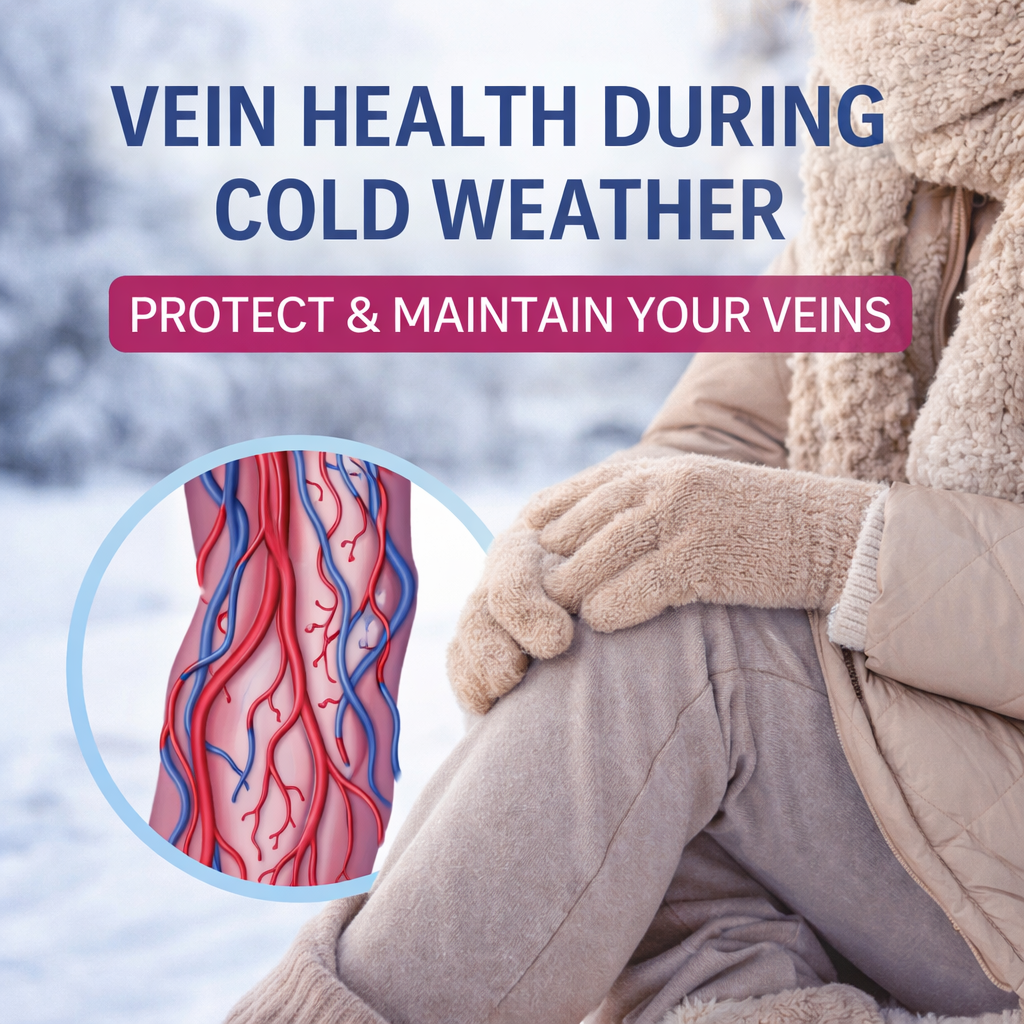
Vein Health During Cold Weather
As temperatures drop, most people focus on protecting their skin, immune system, and joints from the effects of cold weather. However, one area of health that is often overlooked during the winter months is vein health. Cold weather can significantly impact circulation, especially in individuals with varicose veins, spider veins, or chronic venous insufficiency.
Understanding how winter affects your vascular system and learning practical ways to protect your veins can help prevent discomfort, swelling, and long-term complications. In this comprehensive guide, we’ll explore how cold weather impacts your veins, who is at risk, warning signs to watch for, and how to maintain healthy circulation throughout the colder months.
Why Vein Health Matters
Your veins play a critical role in circulating blood back to your heart. Unlike arteries, veins rely on one-way valves and muscle contractions—particularly in the legs—to move blood upward against gravity. When these valves weaken or become damaged, blood can pool in the legs, leading to:
-
Varicose veins
-
Spider veins
-
Swelling (edema)
-
Leg heaviness or fatigue
-
Skin discoloration
-
Venous ulcers in severe cases
Maintaining good circulation is essential year-round, but winter presents unique challenges that can affect vascular function.
How Cold Weather Affects Your Veins
Cold weather causes the body to naturally constrict blood vessels in a process known as vasoconstriction. This response helps preserve core body temperature by limiting blood flow to the extremities. While this is a protective mechanism, it can create additional strain on your venous system.
1. Reduced Circulation
When blood vessels constrict, blood flow slows, especially in the legs and feet. Slower circulation can worsen symptoms in individuals with pre-existing vein conditions.
2. Increased Blood Pressure
Vasoconstriction increases resistance within blood vessels, which may temporarily raise blood pressure. This added pressure can stress vein walls and valves.
3. Higher Risk of Blood Clots
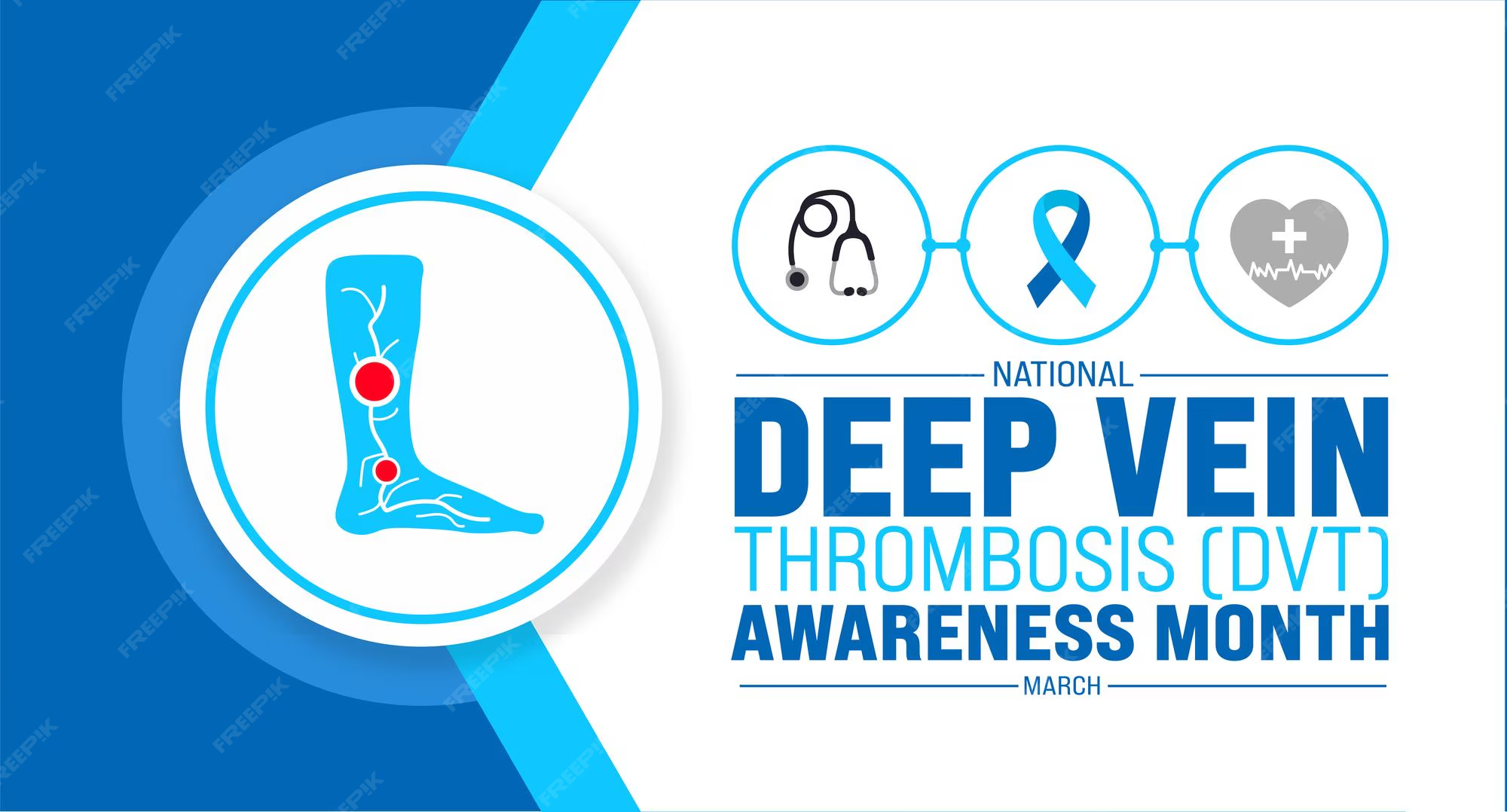
Cold weather is associated with an increased risk of deep vein thrombosis (DVT), especially in individuals who are less active during winter months.
4. Decreased Physical Activity
Winter often leads to reduced exercise. Less movement means the calf muscles are not actively pumping blood upward, increasing the risk of pooling and swelling.
Common Winter Vein Symptoms
Cold weather can worsen existing vein issues or bring new symptoms to light. Watch for:
-
Leg heaviness
-
Aching or throbbing
-
Swelling in ankles or calves
-
Increased visibility of varicose veins
-
Cold feet due to poor circulation
-
Skin dryness or discoloration
If symptoms become persistent or painful, medical evaluation is recommended.
Who Is Most at Risk?
Certain individuals are more likely to experience winter-related vein problems:
-
Adults over age 50
-
Individuals with a family history of vein disease
-
Those who sit or stand for long periods
-
People who are overweight
-
Smokers
-
Patients with diabetes or cardiovascular disease
-
Pregnant women
If you fall into one of these categories, proactive prevention is especially important.
Practical Ways to Protect Your Veins During Cold Weather
Fortunately, there are many effective strategies to support healthy circulation throughout winter.
1. Stay Physically Active
Movement is one of the best ways to promote circulation. Even when it’s cold outside:
-
Walk indoors (malls, treadmills, indoor tracks)
-
Do calf raises at home
-
Practice yoga or stretching
-
Take short walking breaks every hour
Just 30 minutes of daily movement can significantly improve blood flow.
2. Wear Compression Stockings
Compression stockings are especially helpful during winter. They:
-
Improve venous return
-
Reduce swelling
-
Decrease discomfort
-
Prevent blood pooling
Your healthcare provider can recommend the appropriate compression level.
3. Dress in Layers (But Avoid Tight Clothing)
Keeping warm supports circulation, but tight clothing can restrict blood flow. Avoid:
-
Tight boots
-
Constricting socks
-
Tight waistbands
Opt for warm, breathable layers that allow proper circulation.
4. Elevate Your Legs
Elevating your legs above heart level for 15–20 minutes daily helps reduce swelling and encourages blood return.
5. Stay Hydrated
Hydration is often overlooked in winter. Dehydration can thicken blood, increasing clot risk. Aim for adequate water intake even when you’re not sweating.
6. Maintain a Healthy Diet
Winter comfort foods can contribute to weight gain and inflammation. Support vein health with:
-
High-fiber foods (prevent constipation, which increases venous pressure)
-
Leafy greens
-
Berries
-
Omega-3-rich foods (salmon, walnuts)
-
Reduced sodium intake
7. Avoid Prolonged Sitting
Holiday travel and indoor time can mean long periods of sitting. During flights or road trips:
-
Flex and extend ankles
-
Stand up periodically
-
Walk when possible
8. Moisturize and Protect Skin
Cold air dries skin, which can worsen irritation in patients with chronic venous insufficiency. Keep skin moisturized and inspect legs for changes.
The Link Between Cold Weather and Deep Vein Thrombosis (DVT)
Deep vein thrombosis is a serious condition where a blood clot forms in a deep vein, typically in the leg. Winter risk factors include:
-
Reduced activity
-
Dehydration
-
Increased blood viscosity
-
Travel during holidays
Warning signs of DVT include:
-
Sudden leg swelling
-
Warmth in one leg
-
Pain or tenderness
-
Red or discolored skin
DVT requires immediate medical attention.
When to See a Vein Specialist
Cold weather symptoms should not be ignored if they include:
-
Persistent swelling
-
Skin color changes
-
Non-healing sores
-
Severe pain
-
Sudden warmth and redness
Modern vein treatments are minimally invasive and highly effective.
Winter Is Actually a Good Time for Vein Treatment
Interestingly, winter can be an ideal time for elective vein procedures because:
-
Cooler temperatures make compression garments more comfortable
-
Recovery is easier without summer heat
-
You’ll be ready for warmer weather
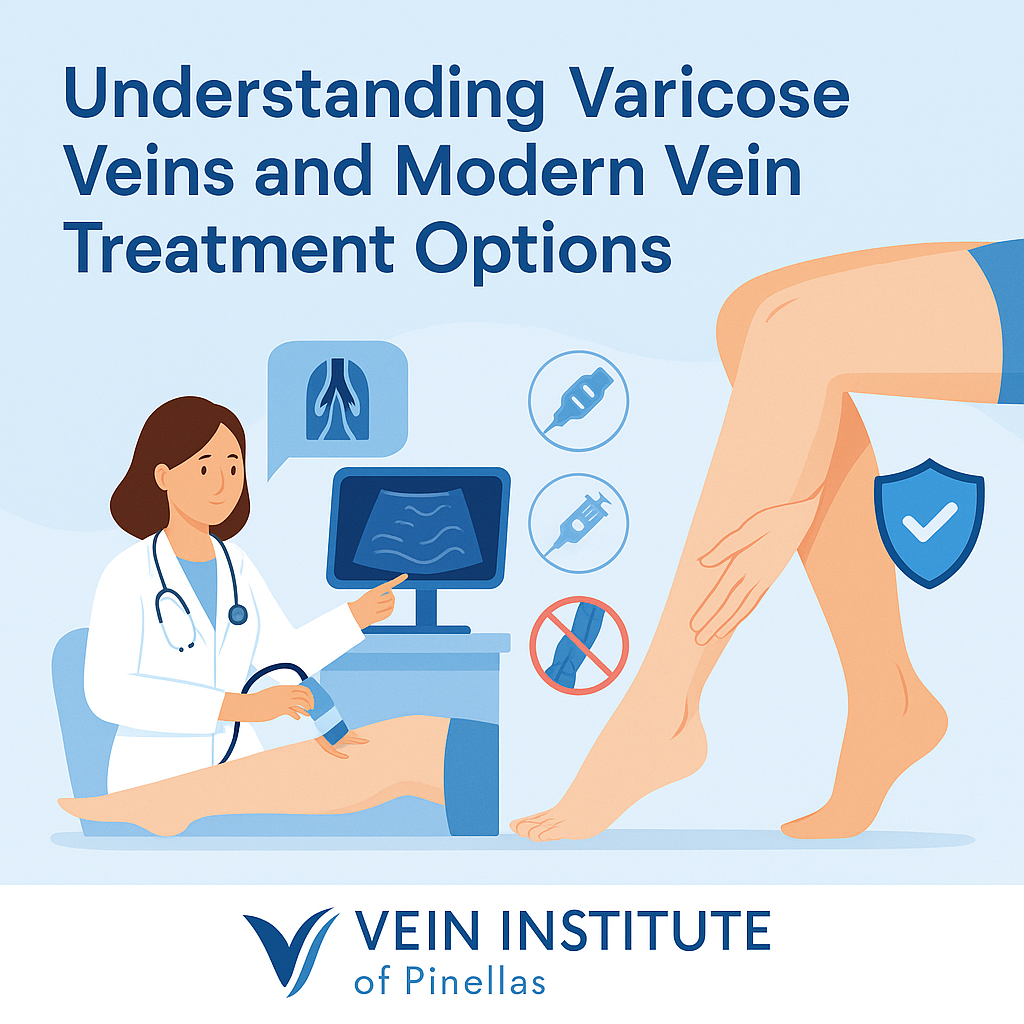
Common treatments include:
-
Sclerotherapy
-
Endovenous laser therapy
-
Radiofrequency ablation
-
Microphlebectomy
Vein Health and Chronic Conditions
Patients with diabetes, heart disease, or hypertension should be especially vigilant during winter. Managing chronic conditions improves vascular health overall.
Lifestyle Habits That Support Year-Round Vein Health
Healthy veins depend on consistent habits:
-
Maintain healthy weight
-
Exercise regularly
-
Avoid smoking
-
Monitor blood pressure
-
Schedule annual check-ups
Preventive care is the foundation of long-term vascular health.
Supporting Circulation Naturally
Some individuals ask about natural support options. While lifestyle remains primary, the following may help:
-
Regular stretching
-
Massage therapy
-
Warm (not hot) showers
-
Anti-inflammatory foods
Always consult your healthcare provider before starting supplements.
The Psychological Impact of Winter
Seasonal changes can influence mood and activity levels. Less movement and lower energy indirectly affect circulation. Staying socially active and maintaining routine helps support overall health.
Frequently Asked Questions
Does cold weather cause varicose veins?
Cold weather does not directly cause varicose veins but can worsen symptoms due to vasoconstriction.
Is walking in cold weather safe?
Yes, as long as you dress appropriately and remain active.
Do compression stockings help in winter?
Yes. They are particularly helpful during colder months.
Can winter increase blood clot risk?
Reduced activity and dehydration during winter may increase clot risk in susceptible individuals.
Final Thoughts: Protecting Your Veins This Winter
Winter can challenge your vascular system, but proactive care makes a significant difference. By staying active, wearing compression, maintaining hydration, and monitoring symptoms, you can support healthy circulation even in cold temperatures.
If you notice worsening vein symptoms this winter, schedule a consultation to evaluate your circulation and discuss preventive or treatment options. Protecting your vein health today can prevent complications tomorrow.
Understanding the nuances of varicose veins can enhance treatment outcomes.


Leave A Comment