
Deep Vein Thrombosis (DVT) Awareness Month: Symptoms, Risk Factors, Prevention, and When to See a Vein Specialist
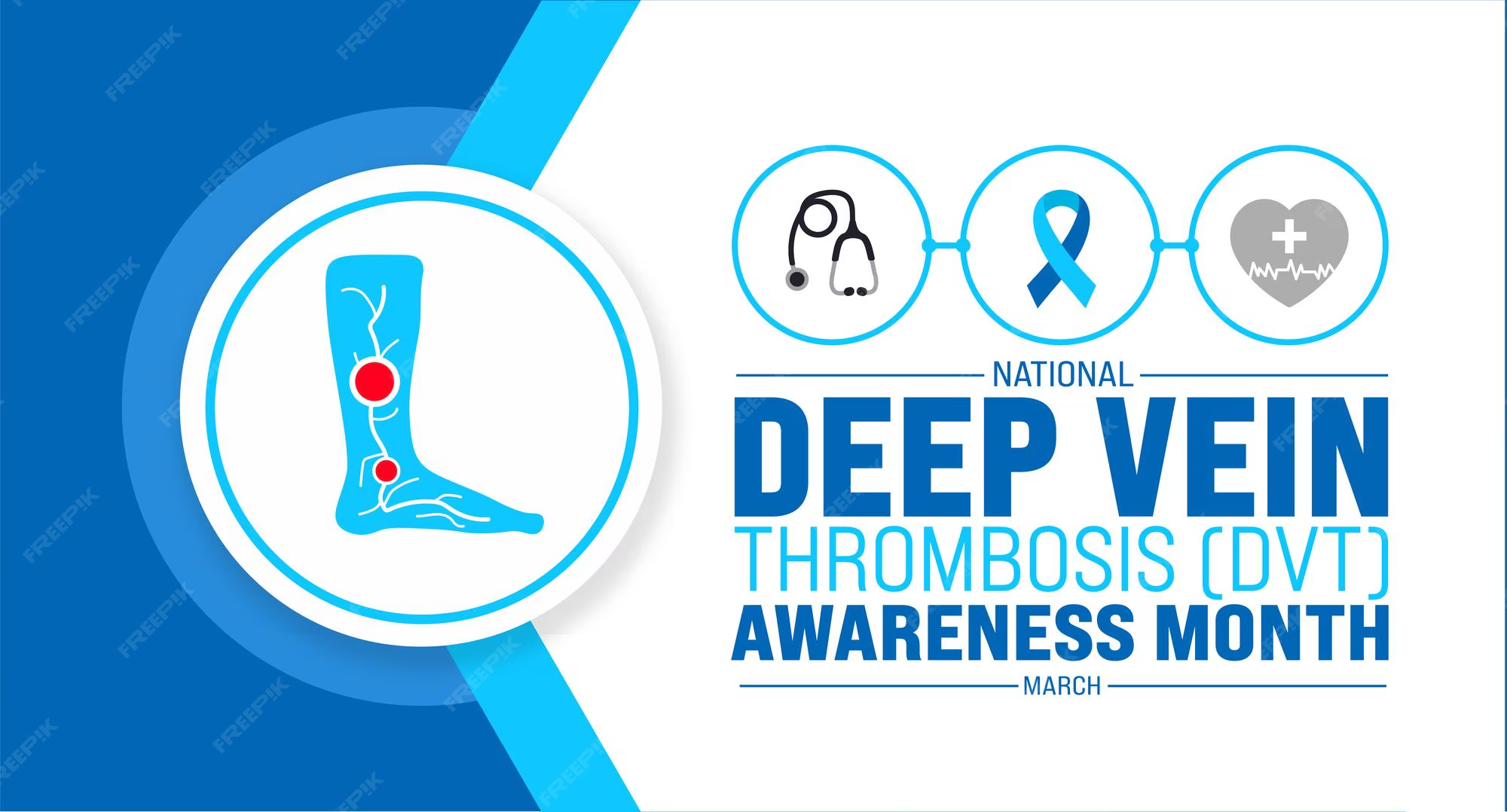
March is Deep Vein Thrombosis (DVT) Awareness Month, a time dedicated to educating the public about the dangers of blood clots and the importance of early detection and treatment. Deep vein thrombosis is a serious medical condition that occurs when a blood clot forms in a deep vein, most commonly in the legs. If left untreated, DVT can lead to life-threatening complications such as a pulmonary embolism (PE).
At our vein clinic, we believe that awareness saves lives. Understanding the warning signs, risk factors, and treatment options for DVT can help you protect yourself and your loved ones.
What Is Deep Vein Thrombosis (DVT)?
Deep vein thrombosis (DVT) is the formation of a blood clot (thrombus) in one of the deep veins of the body. While DVT can occur anywhere, it most often develops in the lower legs, thighs, or pelvis.
The danger of DVT lies in its potential to break loose and travel through the bloodstream to the lungs. When this happens, it can cause a pulmonary embolism, a life-threatening blockage in the lung’s arteries.
DVT is part of a broader condition known as venous thromboembolism (VTE), which includes both DVT and pulmonary embolism.
Why DVT Awareness Month Matters
Each year, hundreds of thousands of people in the United States are affected by DVT and pulmonary embolism. Many cases go undiagnosed because symptoms can be subtle or mistaken for muscle strain, minor swelling, or simple leg fatigue.
Raising awareness during DVT Awareness Month helps people:
-
Recognize early warning signs
-
Understand personal risk factors
-
Take preventive steps
-
Seek prompt medical evaluation
-
Reduce the risk of serious complications
Early diagnosis significantly improves outcomes.
Common Symptoms of Deep Vein Thrombosis
DVT symptoms can vary, and in some cases, there may be no noticeable symptoms at all. However, the most common signs include:
1. Leg Swelling
Sudden swelling in one leg (rarely both) is one of the most common symptoms.
2. Leg Pain or Tenderness
Pain may feel like a cramp or soreness, often starting in the calf.
3. Warmth in the Affected Area
The skin over the clot may feel warmer than surrounding areas.
4. Red or Discolored Skin
You may notice redness or bluish discoloration on the leg.
5. Enlarged Surface Veins
Veins near the skin may appear more visible or engorged.
If you experience chest pain, shortness of breath, coughing up blood, or sudden dizziness, seek emergency medical care immediately — these may be signs of a pulmonary embolism.
Who Is at Risk for DVT?
Understanding risk factors is essential for prevention. DVT can affect anyone, but certain individuals are at higher risk.
Prolonged Immobility
-
Long flights or car rides
-
Bed rest after surgery
-
Hospitalization
-
Sedentary lifestyle
Recent Surgery or Trauma
Orthopedic procedures (especially hip or knee surgery) significantly increase risk.
Cancer and Cancer Treatments
Some cancers and chemotherapy increase clotting risk.
Pregnancy and Postpartum Period
Hormonal changes and increased pressure in pelvic veins elevate risk.
Hormonal Therapy or Birth Control
Estrogen-containing medications increase clotting potential.
Obesity
Excess weight increases pressure on veins.
Smoking
Smoking affects blood clotting and circulation.
Family History of Blood Clots
Genetic clotting disorders increase DVT risk.
Age Over 60
Risk increases with age, though DVT can occur at any age.
How Travel Increases DVT Risk
During spring and summer travel season, long-distance trips can increase the risk of developing DVT. Sitting for extended periods slows blood flow in the legs.
Travel-related DVT risk increases if:
-
You sit for more than 4 hours
-
You are dehydrated
-
You cross your legs frequently
-
You have underlying risk factors
To reduce risk during travel:
-
Stand up and walk every 1–2 hours
-
Perform calf exercises while seated
-
Stay hydrated
-
Wear compression stockings if recommended
The Link Between Varicose Veins and DVT
While varicose veins are typically considered a cosmetic concern, they are a sign of underlying venous insufficiency. In some cases, untreated venous disease may increase the risk of superficial thrombophlebitis and potentially more serious clotting issues.
If you have:
-
Chronic leg swelling
-
Bulging veins
-
Skin discoloration
-
Leg heaviness
It may be beneficial to schedule a comprehensive vein evaluation.
How Is DVT Diagnosed?
If DVT is suspected, medical evaluation is essential. Diagnostic tools include:
Duplex Ultrasound
This is the most common and non-invasive test used to detect clots in the deep veins.
D-Dimer Blood Test
A blood test that detects clot fragments. Elevated levels may indicate clot formation.
Venography (Rarely Used Today)
An imaging test using contrast dye to visualize veins.
Early diagnosis allows for prompt treatment and reduces the risk of pulmonary embolism.
Treatment Options for Deep Vein Thrombosis
Treatment depends on the size and location of the clot and the patient’s overall health.
Anticoagulants (Blood Thinners)
These medications prevent the clot from growing and reduce the risk of new clots forming.
Common types include:
-
Direct oral anticoagulants (DOACs)
-
Heparin
-
Warfarin
Thrombolytic Therapy
In severe cases, clot-dissolving medications may be used.
Inferior Vena Cava (IVC) Filter
In certain high-risk cases, a filter may be placed to prevent clots from reaching the lungs.
Compression Therapy
Compression stockings help reduce swelling and prevent post-thrombotic syndrome.
What Is Post-Thrombotic Syndrome?
Even after treatment, some patients develop long-term complications known as post-thrombotic syndrome (PTS).
Symptoms may include:
-
Chronic swelling
-
Leg pain
-
Skin thickening
-
Ulcers
-
Discoloration
This highlights why early detection and proper management are crucial.
Preventing Deep Vein Thrombosis
While not all cases are preventable, you can significantly reduce your risk with lifestyle changes and awareness.
Stay Active
Regular exercise improves circulation.
Maintain a Healthy Weight
Reducing excess weight decreases vein pressure.
Avoid Prolonged Sitting
Stand and move frequently throughout the day.
Stay Hydrated
Proper hydration supports healthy blood flow.
Wear Compression Stockings
Especially if you have venous insufficiency or are traveling long distances.
Follow Post-Surgical Instructions Carefully
If you’ve recently had surgery, adhere strictly to mobility and medication guidelines.
When Should You See a Vein Specialist?
You should consider scheduling an evaluation if you experience:
-
Persistent leg swelling
-
Unexplained leg pain
-
Skin discoloration
-
History of blood clots
-
Family history of clotting disorders
-
Varicose veins with discomfort
-
Symptoms after long travel
Early evaluation can prevent serious complications.
Why Choose a Vein Clinic for Evaluation?
A specialized vein clinic focuses exclusively on venous disorders. Comprehensive vein evaluation may include:
-
Detailed medical history review
-
Ultrasound imaging
-
Circulation assessment
-
Personalized risk evaluation
-
Preventive strategy development
Early detection of venous insufficiency can reduce the risk of future clotting complications.
DVT Awareness Month: Protect Yourself and Your Family
Deep vein thrombosis is a serious but often preventable condition. During DVT Awareness Month, take time to evaluate your personal risk factors and prioritize your vascular health.
Education, early detection, and preventive care are key.
If you experience symptoms of DVT or have concerns about your vein health, schedule an evaluation with a qualified vein specialist. Prompt assessment can provide peace of mind and potentially save your life.
Frequently Asked Questions About DVT
Is DVT always painful?
No. Some cases are silent and only discovered after complications occur.
Can young people get DVT?
Yes. While risk increases with age, DVT can occur in younger individuals, especially with risk factors.
How long does DVT treatment last?
Treatment duration varies but often lasts 3–6 months, sometimes longer depending on risk factors.
Are varicose veins dangerous?
Most are not life-threatening, but they can indicate underlying venous disease that should be evaluated.
Take Action This March
DVT Awareness Month is an opportunity to educate, prevent, and protect. If you have risk factors, symptoms, or simply want reassurance about your vein health, scheduling a professional evaluation is a proactive step toward better vascular health.
Your veins play a vital role in your circulation. Don’t ignore warning signs.
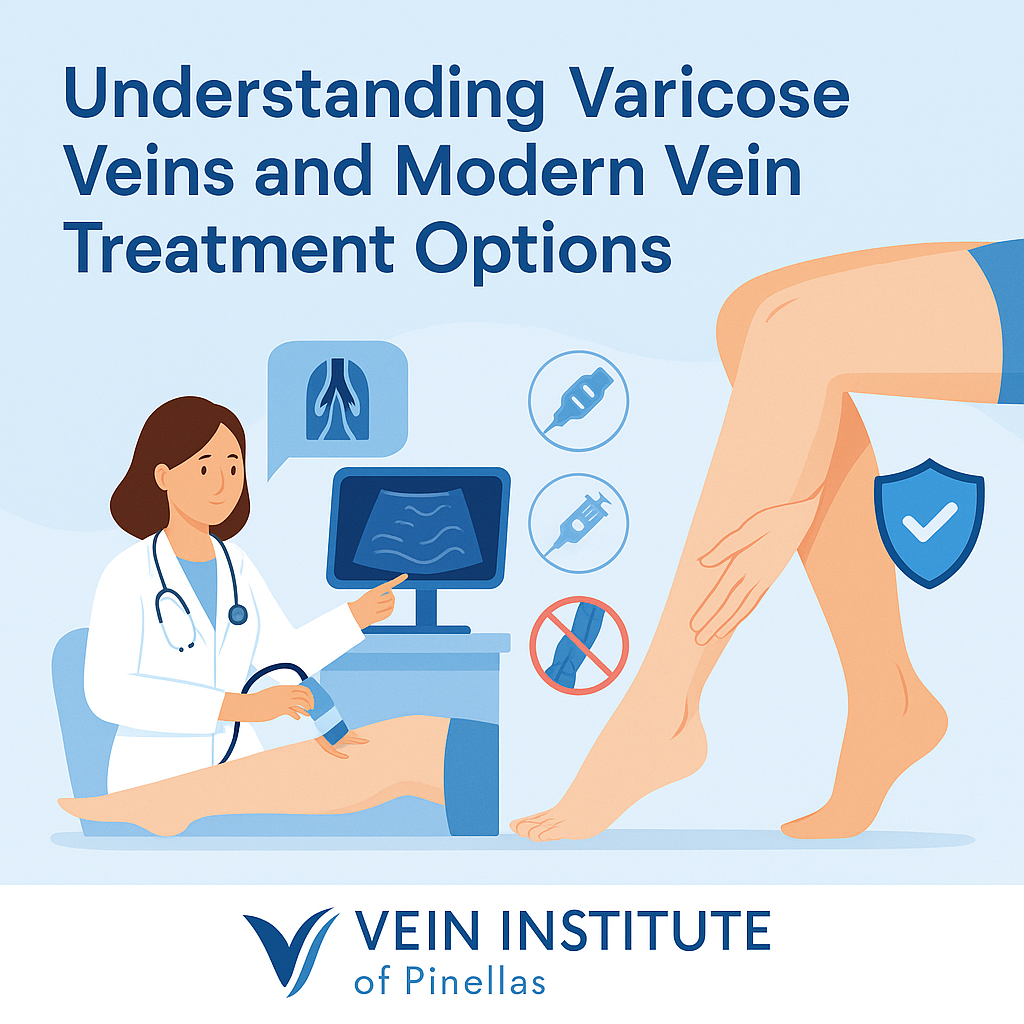
Understanding the nuances of varicose veins can enhance treatment outcomes.



Leave A Comment