
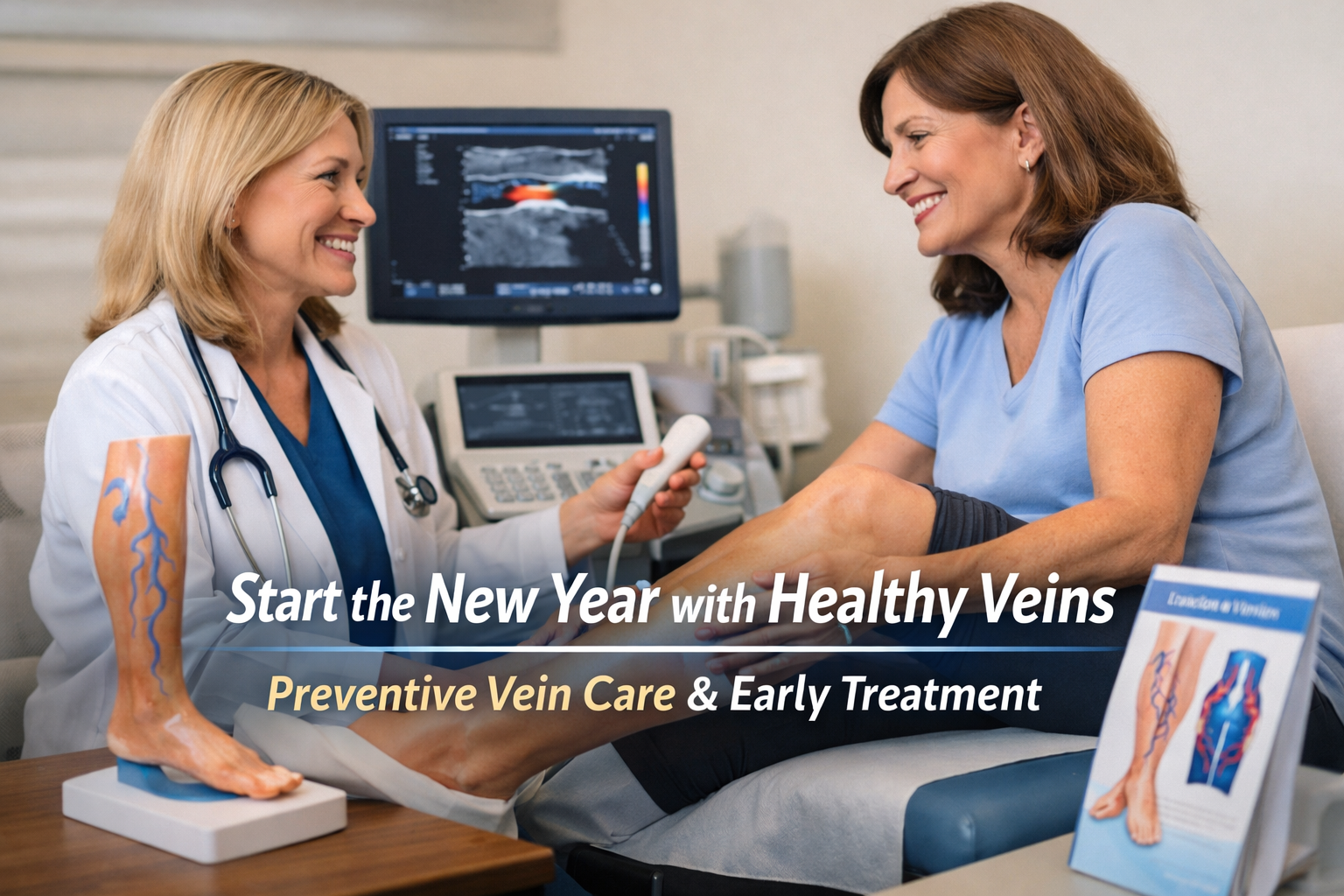
 Start the New Year with Healthy Veins: Preventive Vein Care and Early Treatment
Introduction
The start of a new year is the perfect time to focus on your health from head to toe—including your vein health. Many people set resolutions in January to improve circulation, reduce discomfort, and address health concerns they may have been putting off. For individuals experiencing leg pain, swelling, heaviness, or visible veins, January is an ideal time to prioritize preventive vein care and early treatment.
Varicose veins can lead to discomfort and other complications, making awareness and early intervention critical.
Vein disease is common, progressive, and often misunderstood. Conditions such as varicose veins and chronic venous insufficiency do not resolve on their own and tend to worsen over time without proper care. The good news is that modern vein treatments are minimally invasive, highly effective, and designed to improve both comfort and quality of life.
Understanding varicose veins is essential for effective treatment and prevention strategies.
In this January guide, we’ll explore why vein health matters, common vein conditions, early warning signs, preventive strategies, available treatments, and why the new year is the best time to schedule a vein evaluation.
Why Vein Health Should Be a New Year Priority
Veins play a critical role in circulating blood back to the heart. When vein valves weaken or fail, blood can pool in the legs, leading to symptoms that impact daily life. Many people ignore early signs, assuming they are cosmetic or part of aging—but untreated vein disease can progress.
January is an ideal time to address vein health because:
- New Year resolutions encourage proactive healthcare decisions
- Insurance deductibles often reset
- Early treatment prevents progression and complications
- Cooler weather supports recovery and compression therapy
Making vein health a priority early in the year sets the foundation for more active, comfortable months ahead.
Understanding Common Vein Conditions
Varicose Veins
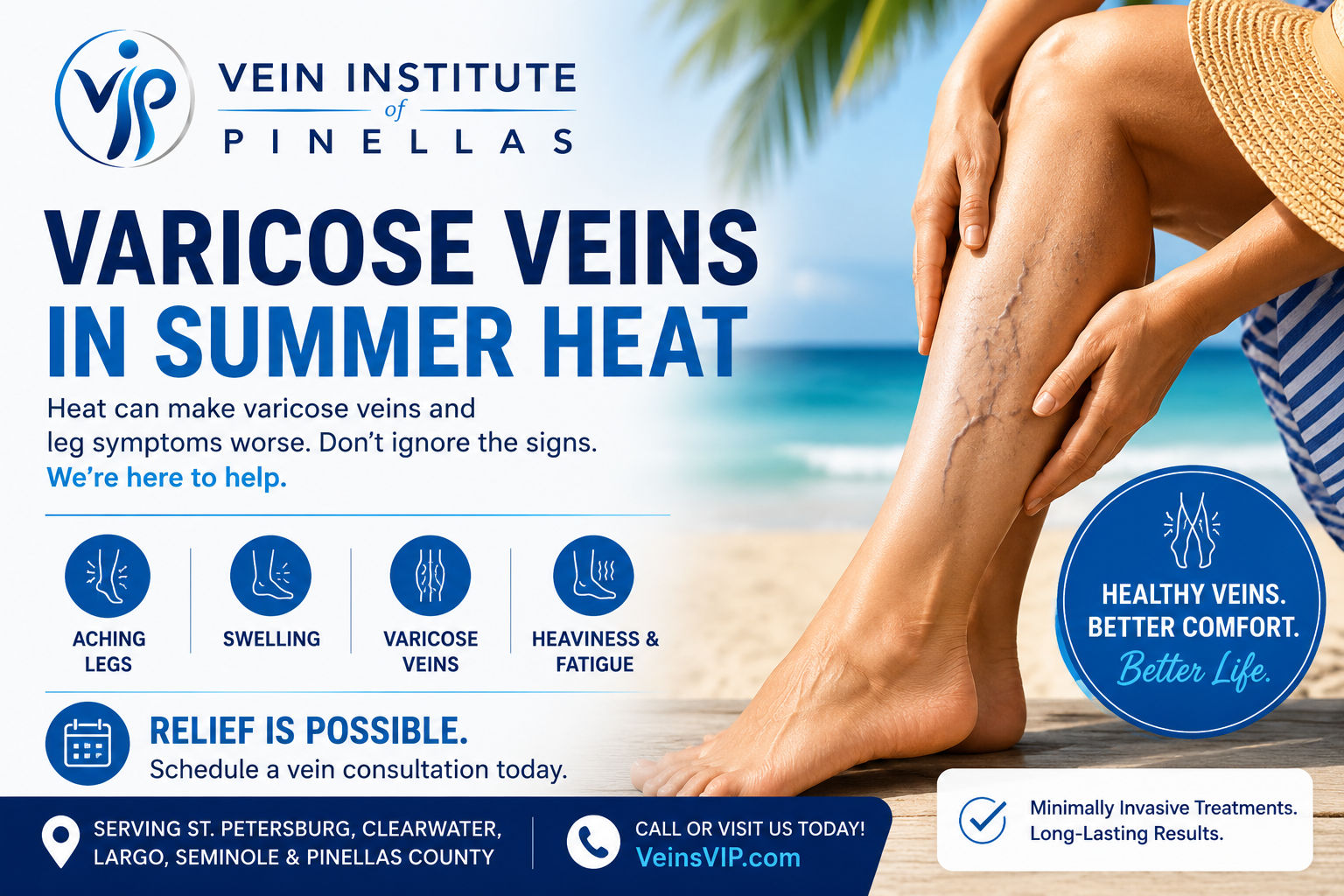
Varicose veins are enlarged, twisted veins that appear blue or purple beneath the skin, most commonly in the legs. They develop when vein valves stop functioning properly, allowing blood to flow backward and pool.
Many people with varicose veins may also experience other symptoms that require attention.
Varicose veins are not just a cosmetic issue; they can indicate deeper vein problems.
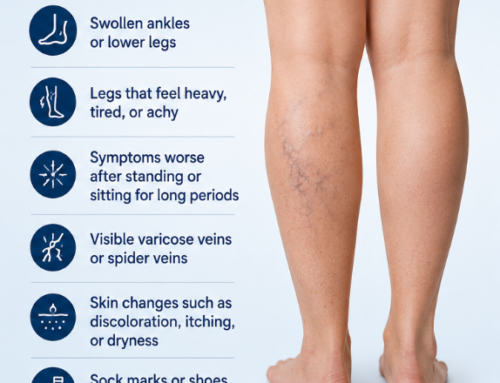
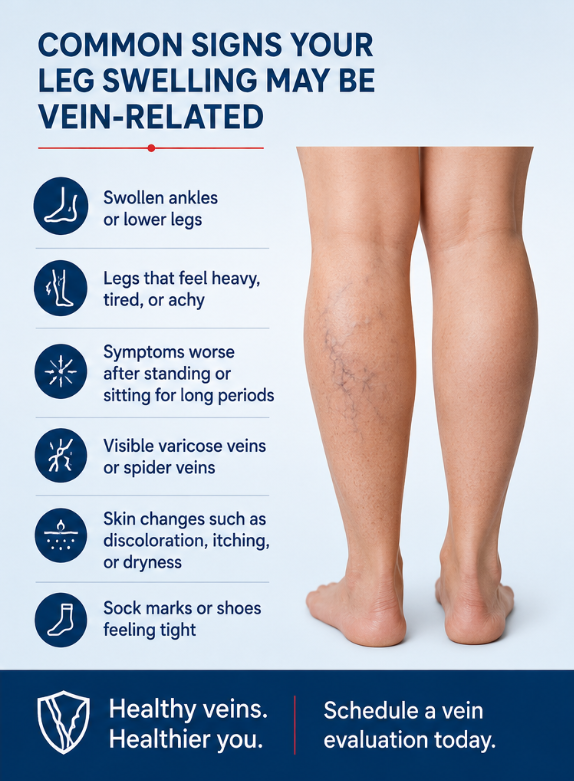
Common symptoms include:
Increased visibility of varicose veins can also affect emotional well-being.
- Aching or throbbing legsTreating varicose veins can significantly improve quality of life for many patients.
- Heaviness or fatigue in the legs
- Swelling around the ankles
- Itching or skin irritation
- Pain that worsens after standing or sitting
Spider Veins
Spider veins are smaller, web-like veins that appear near the surface of the skin. While often considered cosmetic, they can sometimes indicate underlying venous issues.
Unlike varicose veins, spider veins are smaller but can still signify underlying issues.
Chronic Venous Insufficiency (CVI)
CVI occurs when veins struggle to return blood to the heart efficiently. Over time, CVI can lead to skin changes, discoloration, inflammation, and even venous ulcers if left untreated.
Early Warning Signs You Shouldn’t Ignore
Ignoring symptoms of varicose veins can lead to worsening conditions over time.
Many patients delay vein care because symptoms start gradually. Early detection is key to preventing disease progression.
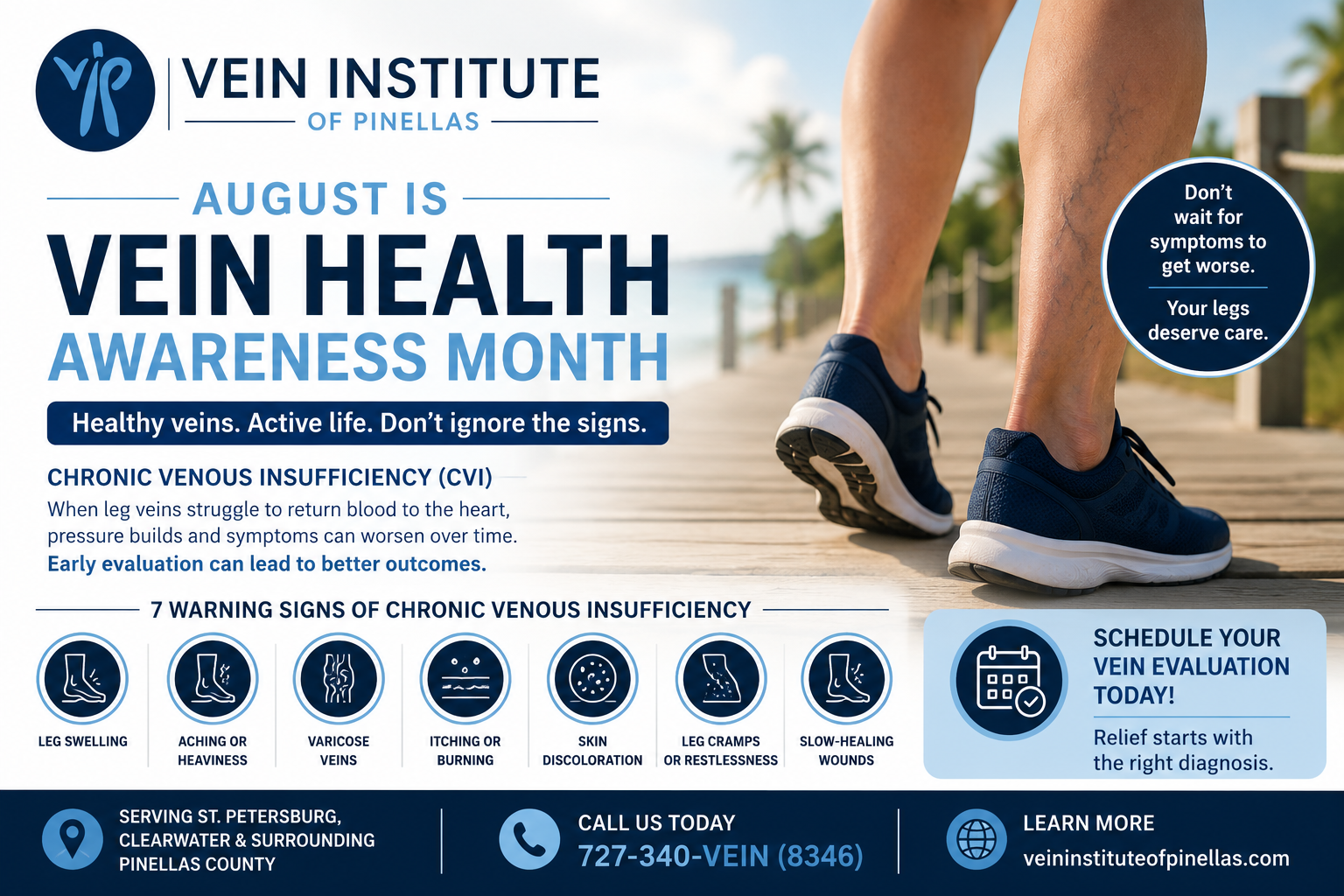
Watch for warning signs such as:
- Persistent leg pain or cramping
- Swelling that worsens throughout the day
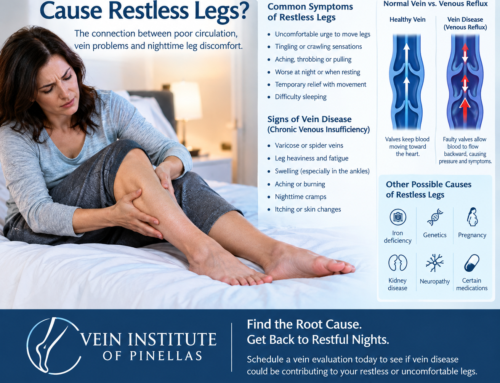
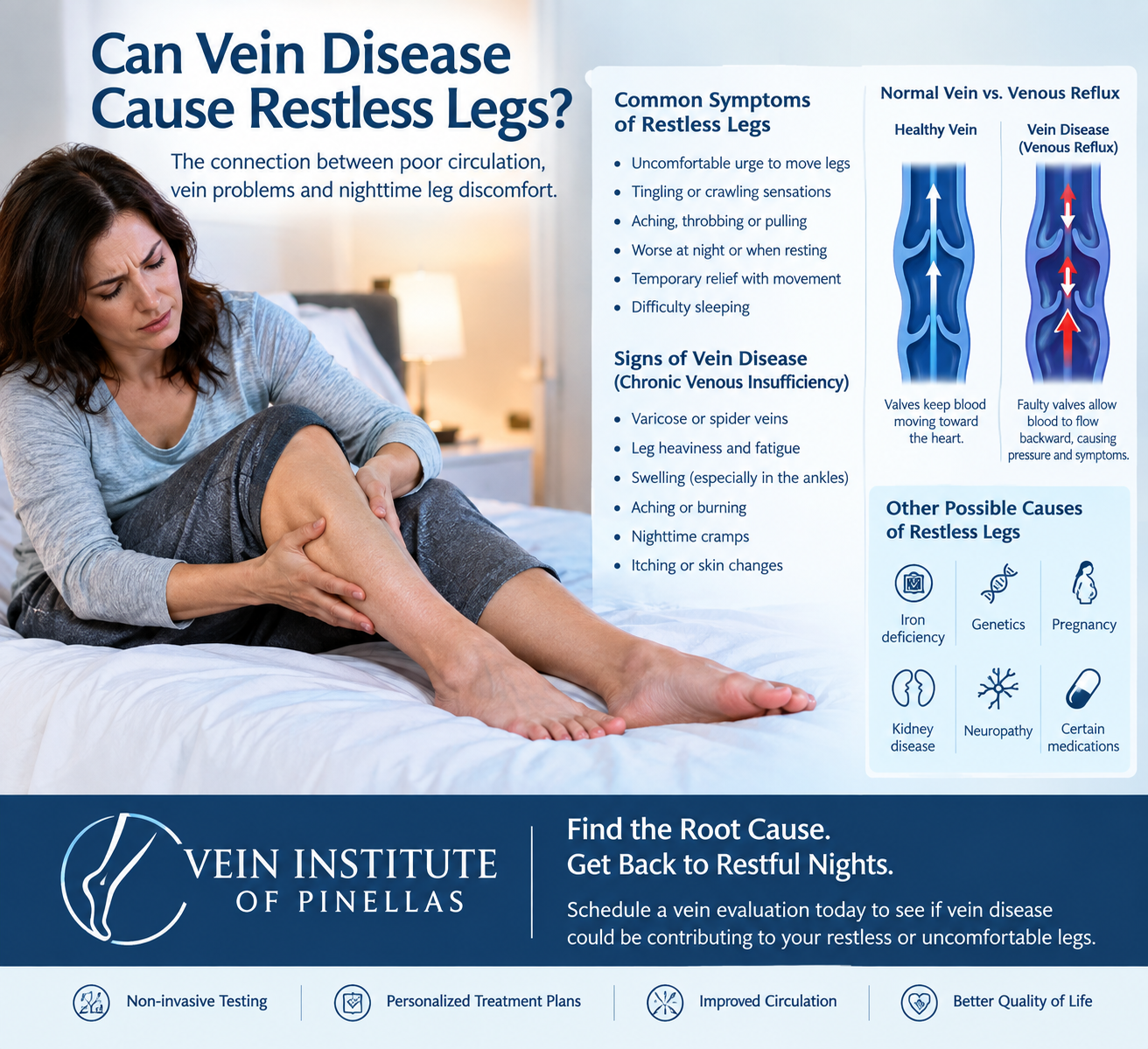
- Restless legs at night
- Skin discoloration near the ankles
- Visible bulging veinsVisible bulging varicose veins are often the most noticeable indicator of vein health.
If you notice any of these symptoms, a vein evaluation can determine whether treatment is needed.
Preventive Vein Care: Small Changes, Big Impact
Preventive vein care focuses on improving circulation and reducing pressure on the veins. While prevention cannot always stop vein disease, it can slow progression and reduce symptoms.
Effective preventive vein care can mitigate the risk of developing varicose veins.
Lifestyle Habits That Support Vein Health
- Staying physically active to promote circulation
- Avoiding prolonged sitting or standing
- Elevating legs when resting
- Maintaining a healthy weight
- Wearing compression stockings when recommended
January is a great time to adopt these habits as part of a broader wellness routine.
The Role of Compression Therapy
Compression stockings are a cornerstone of vein care. They apply graduated pressure to the legs, helping veins move blood upward more efficiently.
Benefits of compression therapy include:
- Reduced swelling
- Improved circulation
- Relief from aching and heaviness
- Support during work or travel
Your vein specialist can recommend the appropriate level of compression based on your condition.
Modern Vein Treatments: What to Expect
Advances in vein care have made treatment more accessible and comfortable than ever before. Most procedures are performed in-office with little to no downtime.
Ultrasound-Guided Vein Evaluation
A comprehensive vein evaluation typically includes a painless ultrasound to assess blood flow and identify valve dysfunction.
Minimally Invasive Treatment Options
Depending on your diagnosis, treatment options may include:
- Endovenous laser ablation
- Radiofrequency ablation
- Sclerotherapy
- Medical adhesive vein closure
These treatments target the root cause of vein disease rather than just surface symptoms.
Why January Is the Best Time for Vein Treatment
Scheduling vein care in January offers several advantages:
- Easier use of compression stockings in cooler weather
- More flexible scheduling after the holidays
- Opportunity to use insurance benefits early
- Symptom relief before spring and summer activities
Starting treatment early allows patients to enjoy improved comfort throughout the year.
Vein Health and Overall Wellness
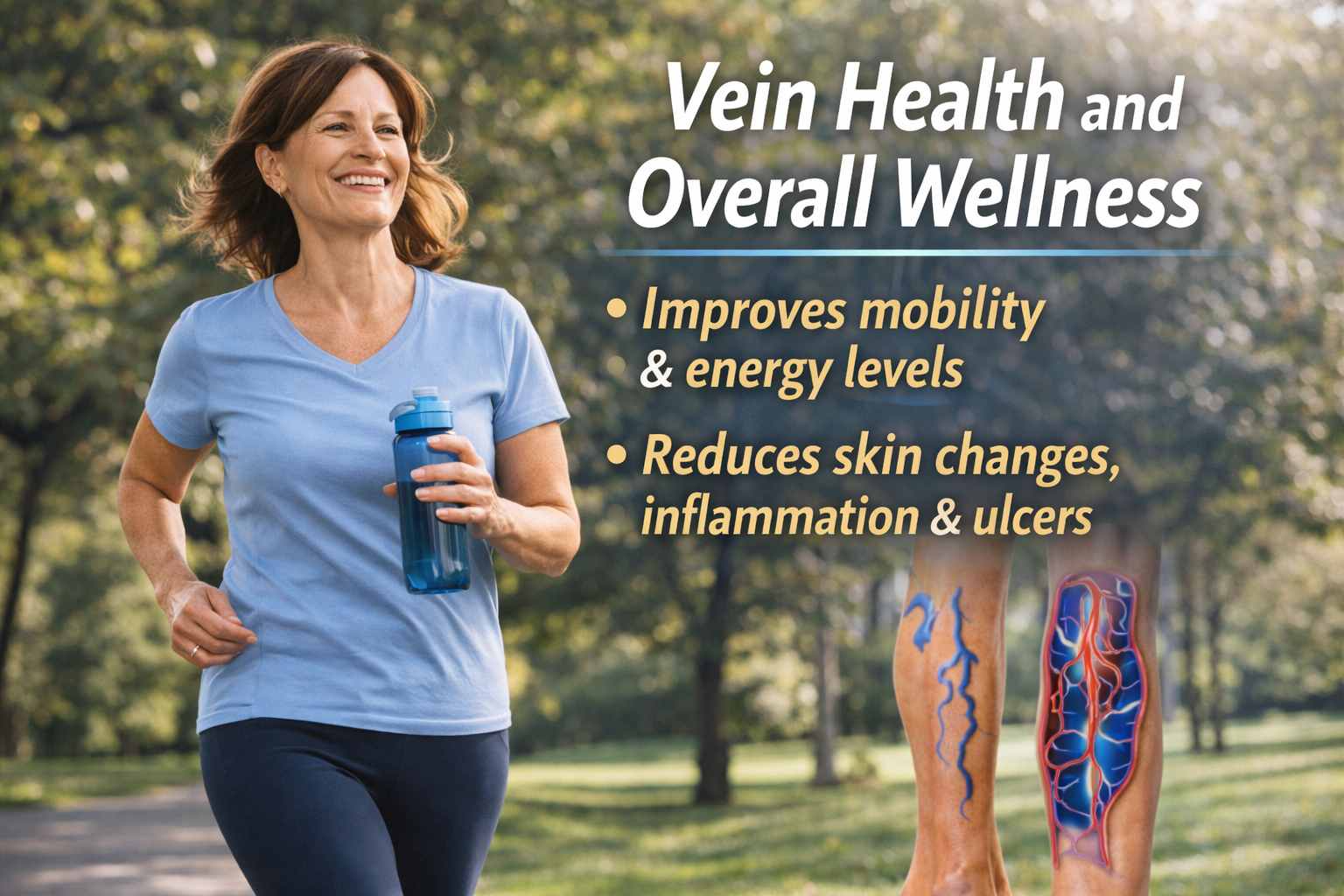
Healthy veins support an active lifestyle. When leg discomfort is reduced, patients often experience improvements in mobility, sleep quality, and daily energy levels.
Addressing vein issues can also prevent complications such as skin changes, inflammation, and ulcers—supporting long-term health and independence.
Overcoming Common Concerns About Vein Treatment
Many patients delay care due to misconceptions. Common concerns include:
- Fear of pain: Modern treatments are minimally invasive
- Recovery time: Most patients return to normal activity quickly
- Cosmetic concerns: Procedures improve both appearance and comfort
A consultation with a vein specialist can address these concerns and provide clarity.
Making Vein Health a Year-Round Priority
While January is an excellent time to begin, vein health should be maintained year-round. Follow-up visits, continued compression therapy, and healthy habits all contribute to lasting results.
Building a relationship with a vein specialist ensures ongoing monitoring and timely intervention if symptoms return.
Vein Health and Lifestyle: Supporting Circulation Every Day
Preventive vein care does not stop at the clinic. Daily lifestyle habits play a powerful role in supporting circulation, reducing symptoms, and improving long-term vein health. When combined with professional care, these habits can significantly slow the progression of vein disease.
Movement and Circulation
Regular movement is one of the most effective ways to support healthy veins. Walking activates the calf muscles, which act as a natural pump to help move blood upward toward the heart. Patients who spend long hours sitting or standing are especially encouraged to incorporate movement breaks throughout the day.
Helpful strategies include:
- Walking for 20–30 minutes most days of the week
- Taking short movement breaks every hour
- Stretching the legs and ankles while seated
- Avoiding crossing the legs for extended periods
Weight Management and Vein Health
Maintaining a healthy weight reduces pressure on the veins in the legs. Excess weight increases venous pressure, making it harder for blood to return to the heart. Preventive vein care often includes guidance on weight management as part of a comprehensive approach to circulation health.
Even modest weight loss can help reduce symptoms such as swelling, heaviness, and leg fatigue.
Nutrition for Healthy Veins
A balanced diet supports vascular health by strengthening blood vessels and reducing inflammation. Nutrients such as fiber, antioxidants, and hydration are particularly important for vein health.
Nutrition tips that support circulation include:
- Eating fiber-rich foods to prevent constipation and pressure on veins
- Including fruits and vegetables rich in antioxidants
- Reducing excess sodium to limit swelling
- Drinking adequate water throughout the day
Preventive visits provide an opportunity to discuss dietary habits and how nutrition can complement vein treatment.
Occupational Risk Factors for Vein Disease
Certain professions place individuals at higher risk for vein problems. Jobs that require prolonged standing or sitting can interfere with healthy circulation and increase venous pressure.
Higher-risk occupations include:
- Healthcare workers
- Retail and service employees
- Office and desk-based professionals
- Drivers and frequent travelers
For these individuals, preventive vein care and early evaluation are especially important. Compression therapy, movement strategies, and regular monitoring can help reduce long-term risk.
Pregnancy, Hormones, and Vein Health
Hormonal changes and increased blood volume during pregnancy can place added stress on the veins. Many women develop varicose or spider veins during pregnancy, and while some improve postpartum, others persist or worsen over time.
Pregnancy can exacerbate the formation of varicose veins due to hormonal changes.
Preventive vein care for women may include:
- Monitoring symptoms during and after pregnancy
- Using compression stockings when appropriate
- Scheduling a post-pregnancy vein evaluation
Early assessment helps determine whether symptoms are temporary or require treatment.
Genetics and Family History
Family history plays a significant role in vein disease. If close relatives have experienced varicose veins or chronic venous insufficiency, your risk may be higher.
A family history of varicose veins increases your risk for developing similar conditions.
Preventive care allows patients with a genetic predisposition to:
- Establish a baseline vein evaluation
- Monitor changes over time
- Begin treatment before symptoms worsen
Understanding your family history empowers you to take proactive steps rather than waiting for discomfort to escalate.
The Emotional and Quality-of-Life Impact of Vein Disease
Vein disease affects more than physical comfort. Many patients experience frustration, self-consciousness, or reduced confidence due to visible veins or chronic leg discomfort.
Addressing the emotional impact of visible varicose veins is important for holistic treatment.
Addressing vein issues can lead to:
- Improved confidence and body image
- Better sleep due to reduced nighttime symptoms
- Increased ability to stay active
- Greater overall quality of life
Modern vein care focuses on both symptom relief and restoring confidence.
What Happens After Vein Treatment?
Post-treatment for varicose veins often includes ongoing monitoring and preventive care.
Post-treatment care is an important part of successful outcomes. Most patients are able to resume normal activities quickly, but follow-up and adherence to recommendations help ensure optimal results.
After treatment, patients may be advised to:
- Wear compression stockings for a recommended period
- Continue walking regularly
- Attend follow-up ultrasound evaluations
- Monitor for symptom improvement
Your vein specialist will provide personalized guidance based on the type of treatment performed.
Long-Term Management and Follow-Up
Vein disease is a chronic condition for many patients, meaning long-term management is key. Regular follow-up visits allow providers to monitor treated veins and identify new areas of concern early.
Long-term management of varicose veins can involve lifestyle changes and follow-up care.
Ongoing care helps:
- Maintain symptom relief
- Prevent recurrence
- Support long-term circulation health
Building a relationship with a vein specialist ensures continuity of care and peace of mind.
Why Seeing a Vein Specialist Matters
Consulting with a vein specialist is essential for managing and treating varicose veins effectively.
While primary care providers play a
Awareness of varicose veins and their implications is crucial for health management.
Understanding the nuances of varicose veins can enhance treatment outcomes.

Leave A Comment