
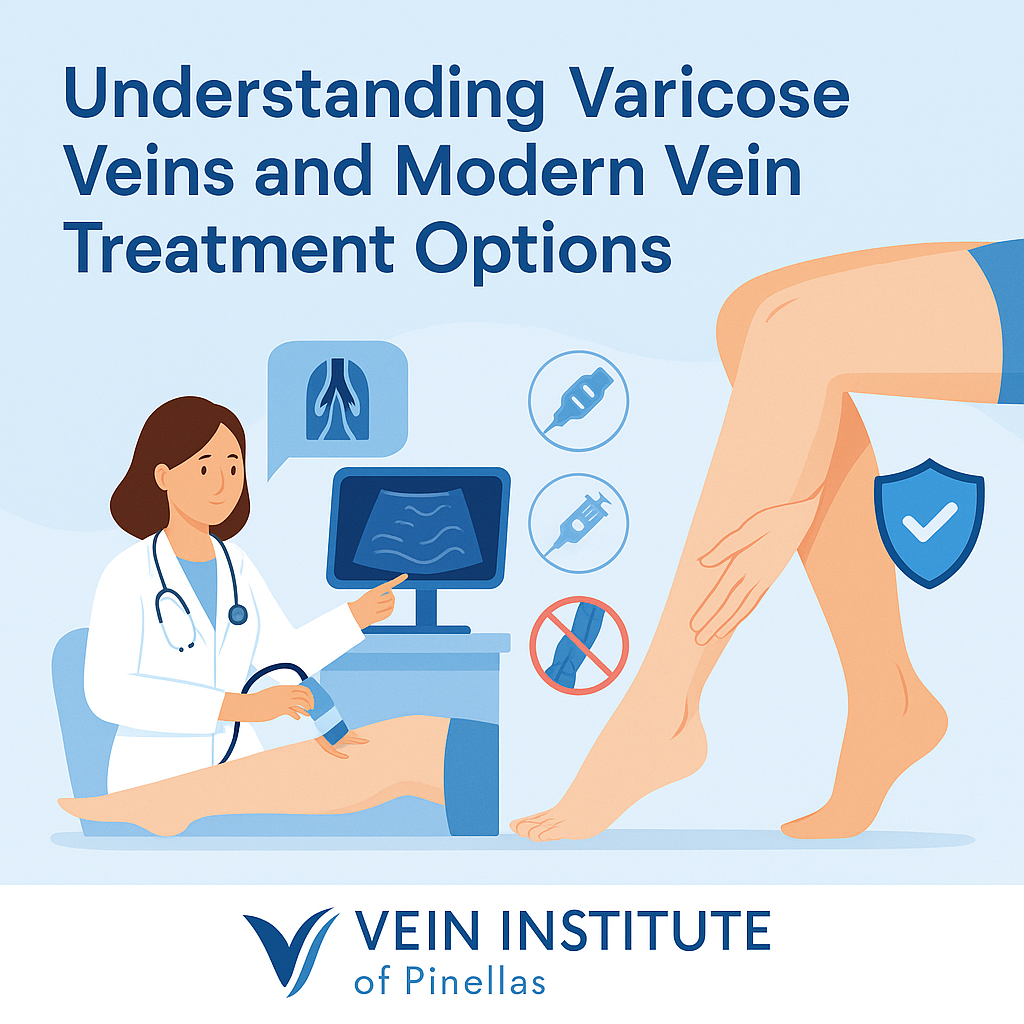
Understanding Varicose Veins and Modern Vein Treatment Options: Your Complete Guide from Vein Institute of Pinellas
Millions of Americans live with uncomfortable, visible, or painful veins in their legs — many without realizing that help is available. Varicose veins and other vein-related conditions are far more than cosmetic concerns. When ignored, they can progress to chronic pain, swelling, skin changes, and even ulcers.
At Vein Institute of Pinellas, our mission is to educate, diagnose, and provide advanced minimally invasive treatments that restore vein health and improve quality of life. Whether you’re beginning to notice visible veins or have been experiencing symptoms for years, understanding your condition is the first step toward relief.
This comprehensive, patient-friendly guide will walk you through everything you need to know about vein disease, its causes, symptoms, treatment options, and how our specialists at veinsvip.com can help you get back to feeling your best.
varicose-veins
What Are Varicose Veins?
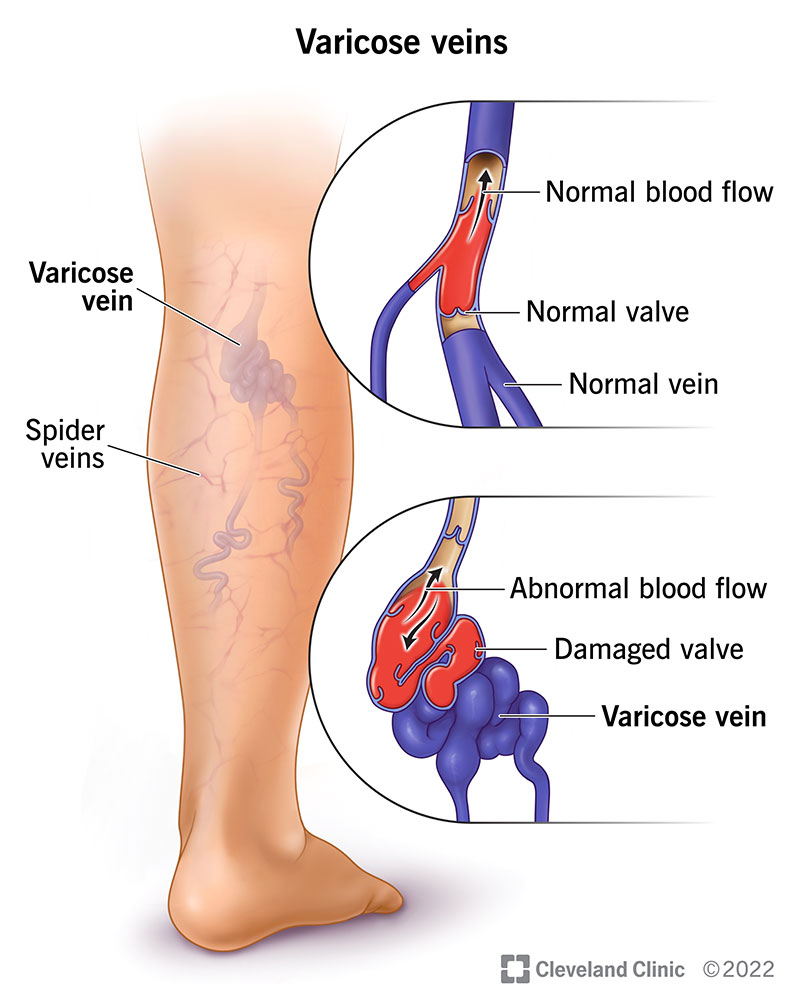
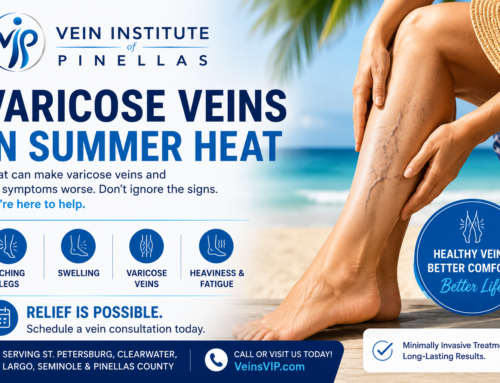
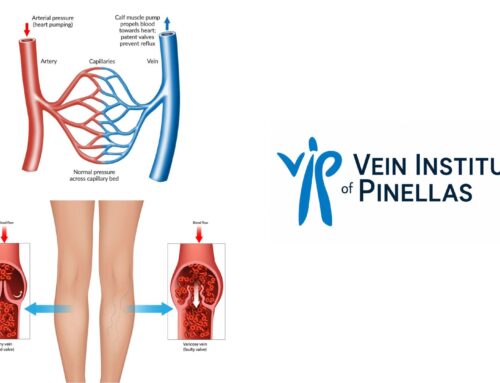
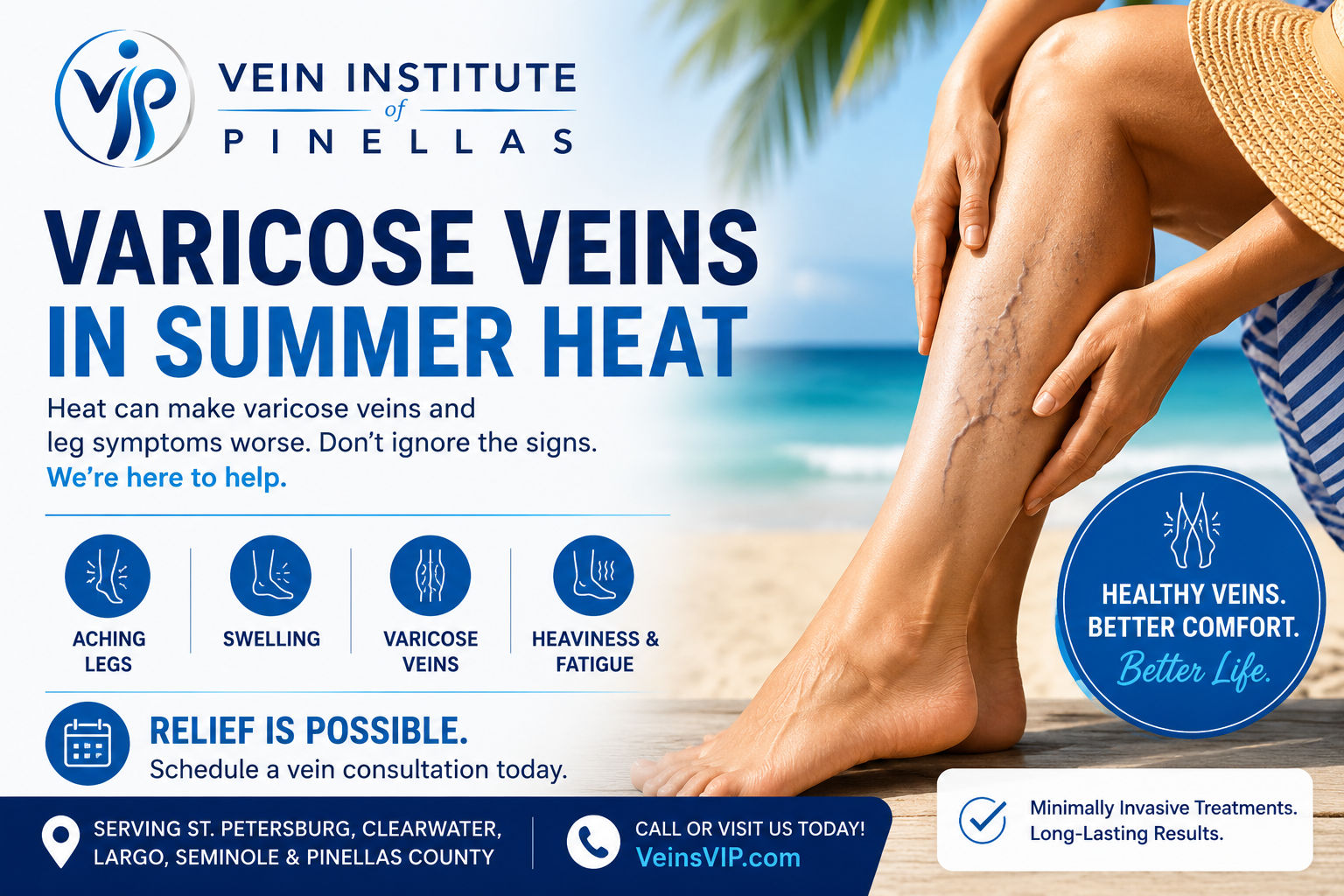
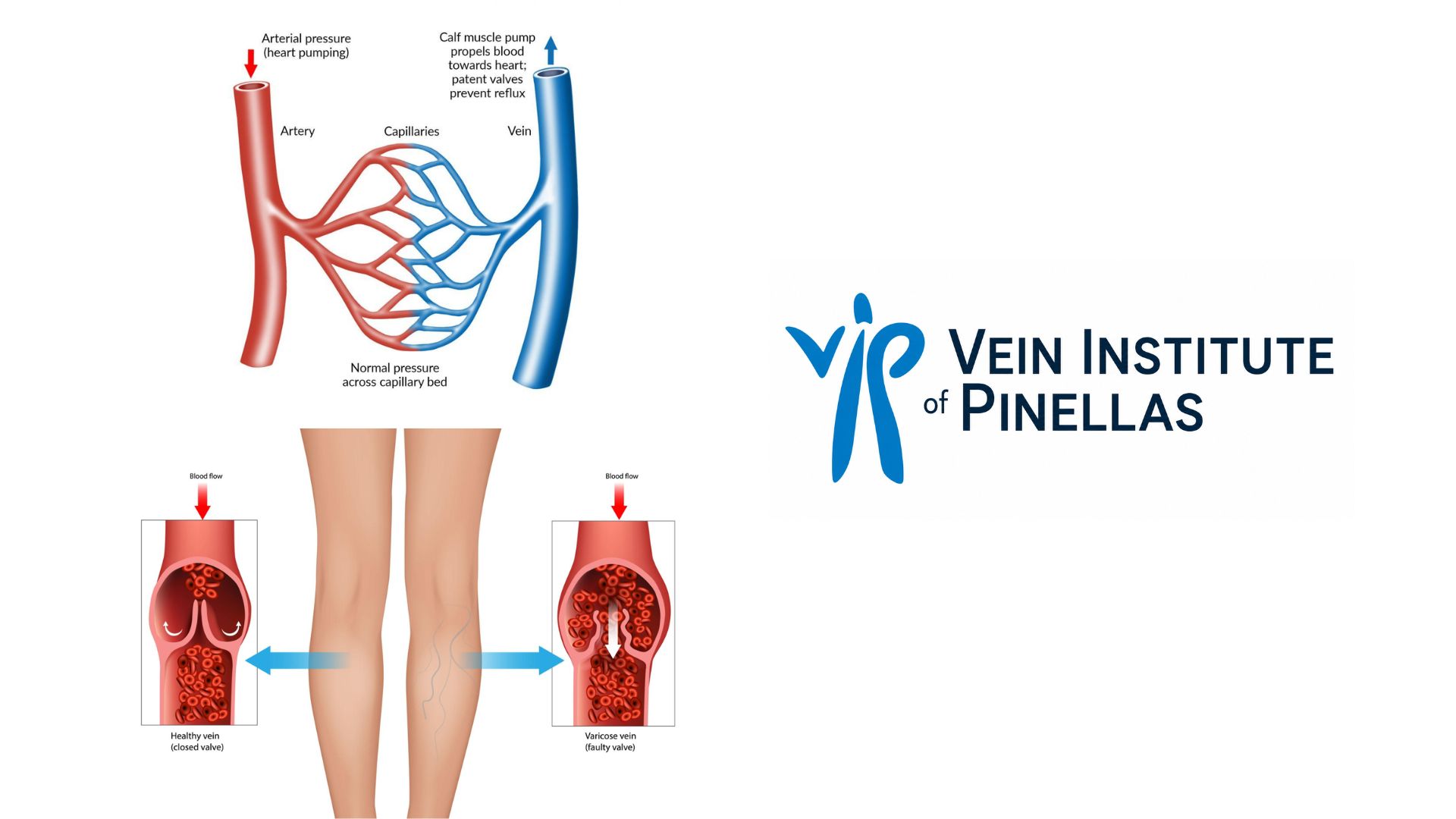
Varicose veins are enlarged, twisted veins that most commonly appear in the legs. They occur when the valves inside your veins become weakened or damaged. These valves typically keep blood flowing upward toward the heart. When they fail, blood pools in the legs and causes the veins to stretch, bulge, and become visible under the skin.
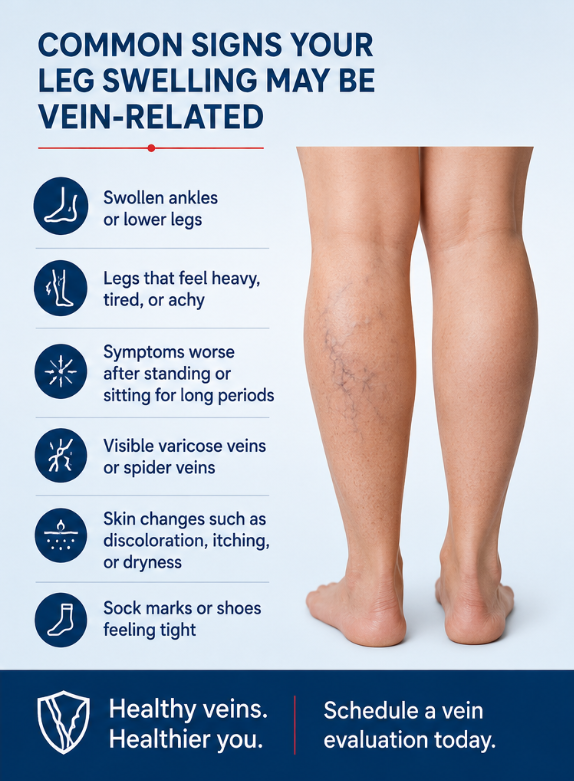
Common Signs of Varicose Veins
-
Thick, rope-like veins
-
Blue, purple, or dark-colored veins
-
Leg discomfort
-
Swelling around the ankles
-
Aching, heaviness, or throbbing
-
Burning sensations
-
Restless legs
-
Itching around affected veins
While many patients initially notice varicose veins for cosmetic reasons, the underlying issue is a medical condition called Chronic Venous Insufficiency (CVI).
What Is Chronic Venous Insufficiency (CVI)?
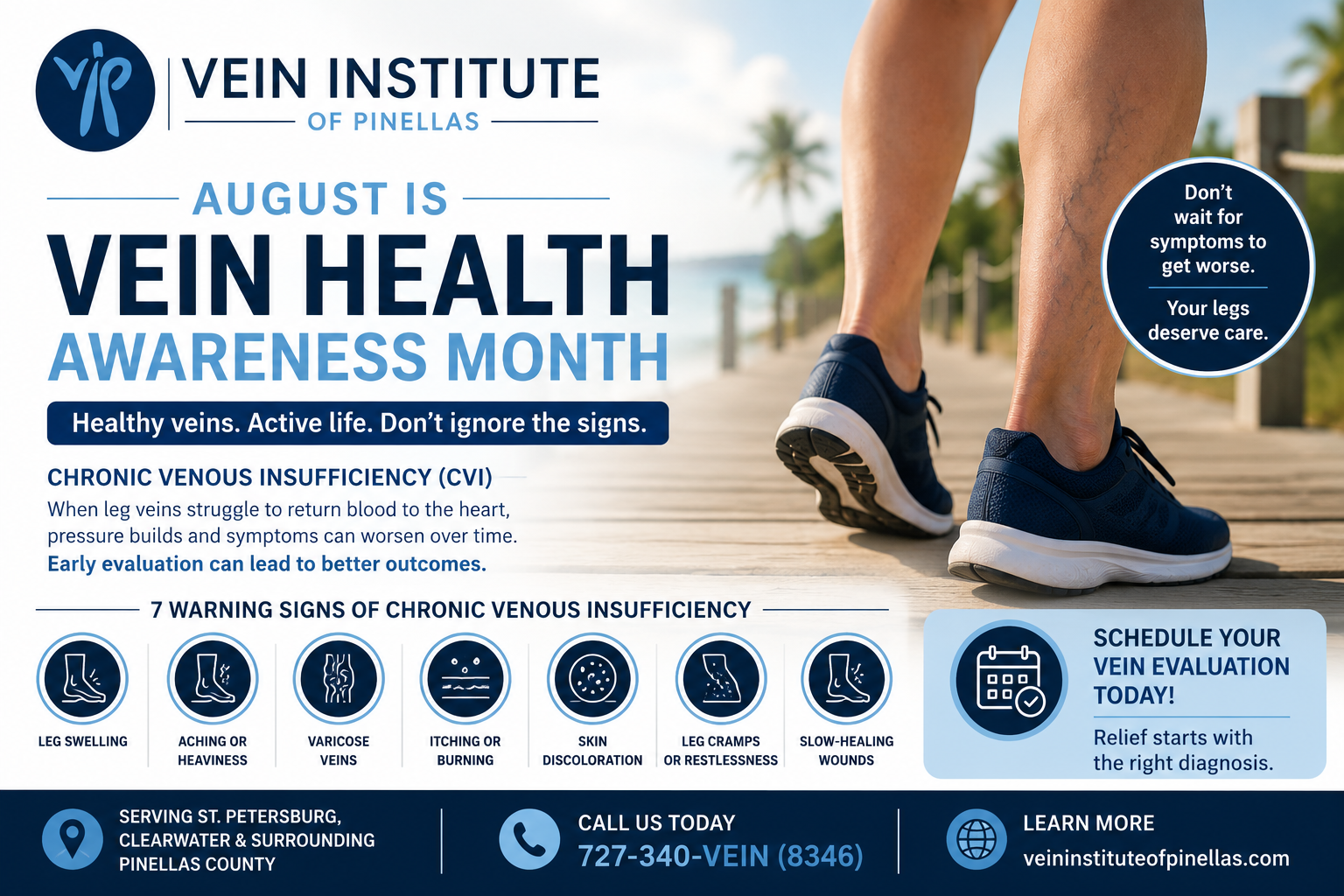
Chronic Venous Insufficiency is a circulation disorder that occurs when the veins in your legs cannot efficiently return blood to the heart. CVI often develops gradually and can worsen without proper treatment.
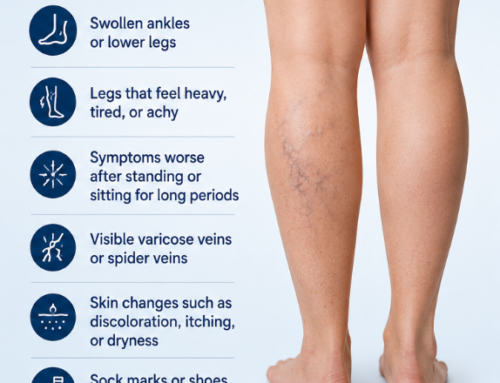
Early Symptoms Include:
-
Leg heaviness
-
Fatigue
-
Swelling at the end of the day
-
Itching or skin irritation
Advanced Symptoms May Include:
-
Skin discoloration
-
Hardened or thickened skin
-
Open wounds known as venous ulcers
-
Severe swelling
-
Pain after long periods of standing or sitting
CVI is extremely common — especially in adults over 40 — but it’s also highly treatable when addressed early by a vein specialist.
Who Is at Risk for Varicose Veins?
While anyone can develop vein disease, several risk factors increase the likelihood:
1. Genetics (Family History)
If your parents or grandparents had varicose veins, you are significantly more likely to develop them. Genetics is the number one risk factor.
2. Age
Vein valves naturally weaken over time, making adults over 40 more susceptible.
3. Gender
Women are more likely to develop varicose veins due to hormones, pregnancy, and menopause.
4. Pregnancy
Hormonal changes, increased blood volume, and pressure on leg veins increase risk.
5. Occupation
Jobs that require long hours of:
-
Standing (teachers, nurses, retail workers)
-
Sitting (office workers, drivers)
cause increased pressure in the leg veins.
6. Obesity
Extra weight puts additional stress on veins.
7. Lifestyle Factors
Lack of exercise, smoking, and poor circulation contribute significantly.
Understanding your risk helps you take early preventive steps and seek treatment before symptoms worsen.
Why Ignoring Varicose Veins Is Dangerous
Many patients assume varicose veins are “just cosmetic,” but untreated vein disease can progress into serious medical issues.
Complications Can Include:
-
Increasing leg pain
-
Severe swelling
-
Blood clots
-
Skin breakdown
-
Venous ulcers (difficult-to-heal wounds)
-
Bleeding from superficial veins
Prompt treatment can prevent long-term damage and dramatically improve daily comfort.
How Vein Institute of Pinellas Diagnoses Vein Disease
At Vein Institute of Pinellas, accurate diagnosis is the foundation of effective treatment. Our specialists use a painless, non-invasive test called a vascular ultrasound to evaluate blood flow and identify valve malfunction.
What to Expect During Your Vein Evaluation
-
A comprehensive circulation assessment
-
Ultrasound imaging of leg veins
-
Symptom review and risk factor analysis
-
Personalized treatment plan
This evaluation allows us to determine the severity of vein disease and recommend the most effective treatment options.
Modern, Minimally Invasive Vein Treatments
Gone are the days of vein stripping surgery, long recovery times, and painful procedures. Today’s treatments are quick, effective, and performed right in our office at Vein Institute of Pinellas.
All procedures are minimally invasive, require little to no downtime, and are covered by most major insurances when medically necessary.
1. Endovenous Laser Treatment (EVLT)
EVLT uses laser energy to close damaged veins from within. The vein is sealed shut, and the body naturally reroutes blood to healthier veins.
Benefits:
-
Minimally invasive
-
Quick procedure (20–30 minutes)
-
Minimal downtime
-
Long-lasting results
2. Radiofrequency Ablation (RFA)
Similar to EVLT, RFA uses controlled heat to close diseased veins. It is a gentle, safe procedure ideal for patients with larger varicose veins.
Benefits Include:
-
Low discomfort
-
Fast recovery
-
High success rate
-
Covered by most insurances
3. Ultrasound-Guided Foam Sclerotherapy
Foam medication is injected into malfunctioning veins under ultrasound guidance. The foam irritates the vein walls, causing them to collapse and fade.
Best For:
-
Medium to large veins
-
Branch veins not suited for ablation
4. Cosmetic Sclerotherapy for Spider Veins
This is the most popular treatment for small, visible spider veins on the legs.
Benefits:
-
Enhances appearance
-
Minimal discomfort
-
No downtime
-
Results in just a few sessions
5. VenaSeal™ Closure System
This innovative treatment uses medical adhesive to seal diseased veins. It is one of the most comfortable options because it requires no tumescent anesthesia.
Why Patients Love VenaSeal:
-
Virtually painless
-
No compression stockings needed afterward
-
Minimal recovery time
Recovery After Vein Treatment
Most patients walk out of the office and return to normal activities the same day. To support healing, we may recommend:
-
Walking regularly
-
Wearing compression stockings (if applicable)
-
Avoiding prolonged sitting or standing
-
Staying hydrated
-
Avoiding heavy lifting for 24–48 hours
Full results appear gradually over several weeks as treated veins close and fade.
Can Vein Disease Be Prevented?
While vein disease often has genetic origins, you can take steps to reduce risk and slow progression.
Healthy Habits for Better Vein Health
-
Exercise regularly
-
Maintain a healthy weight
-
Elevate your legs when possible
-
Avoid tight clothing
-
Stay active during long periods of sitting or standing
-
Wear compression stockings if recommended
These small lifestyle changes can make a big difference in circulation and symptoms.
Why Choose Vein Institute of Pinellas?
At Vein Institute of Pinellas, patient experience and comfort come first. Our clinic offers:
✔ Board-Certified Vein Specialists
Experts in detecting and treating venous disease.
✔ State-of-the-Art Technology
From EVLT to VenaSeal, we use the most advanced treatment methods available.
✔ Minimally Invasive Procedures
Safe, quick, and performed in-office with minimal downtime.
✔ Insurance-Friendly Care
Most medically necessary treatments are covered by insurance.
✔ Compassionate, Patient-Centered Approach
We take time to listen, educate, and tailor each treatment plan to your needs.
We believe that every patient deserves relief from painful or unsightly veins — and a path to healthier legs.
When Should You See a Vein Specialist?
You should schedule a consultation if you experience:
-
Leg heaviness
-
Pain or throbbing
-
Visible varicose or spider veins
-
Swelling in the legs or ankles
-
Skin discoloration
-
Burning or itching sensations
-
Restless legs
-
Wounds that don’t heal
Early evaluation can prevent serious complications and lead to faster recovery.
What to Expect at Your First Visit
Your first appointment at Vein Institute of Pinellas includes:
-
A detailed medical history review
-
Physical examination
-
Non-invasive ultrasound
-
Diagnosis of any underlying venous reflux
-
Personalized treatment recommendations
-
Conservative management options if needed
Our team ensures you understand your condition and treatment options clearly and confidently.
Your Journey to Healthy Legs Starts Here
Vein disease can significantly impact your quality of life — from discomfort and swelling to cosmetic insecurities and painful complications. Fortunately, modern treatments make relief easier and more accessible than ever before.
At Vein Institute of Pinellas, our mission is to help you regain comfort, confidence, and healthier circulation through expert care and minimally invasive procedures.
Schedule Your Vein Consultation Today
📍 Vein Institute of Pinellas- Largo
3690 East Bay Dr., Suite M, Largo, FL 33771
📍 Vein Institute of Pinellas- North Saint Petersburg
5500 Dr. MLK Jr. St. N.
St. Petersburg, FL 33703
📞 Phone: (727) 210-8391
🌐 Visit: veinsvip.com
🩵 Accepting New Patients | Most Insurances Accepted

Leave A Comment